To begin the week I started, by watching the video of Sam Lanyon live in the Dragons Den. He helps you to understand what it is like to pitch to the public, and shares what he has experienced along the way, in his video; “About Pitching”.
After watching him on the Dragons Den, I found him to be professional, but not pushy, and clear about what his product was, what it did, demonstrated how it worked, and what amount he would like them to invest in. Although they don’t invest in his ‘Get married today for a pound‘, the concept of the bright pink arcade game style machine looked inviting, and fun and due to him being polite and professional, he still had something which many entrepreneurs don’t, and that is the ‘likeable factor‘.
What kind of Pitch?
Formal and informal pitches
Internal and external pitches
Problem solving and creative pitches
Inspiration for pitch style
(Figure 1 : 2019 Bear and Breakfast Video Game)
Creative Pitch
When we were researching pitch presentations and pitch decks, we found this one, particularly interesting, and tried to incorporate elements of its simplistic layout of the development of their game, and this was how we would like to present our practice pitch to a panel of professionals.
We want to keep everything bold and clear for the panel to view, and read, but also to talk a little about each section, and elaborate on the game play, the characters, the aim, audience, market research, the quests and of course the team behind the new artefact.
How to approach our Practice Pitch?
The style in which Sam Lanyon approached the Dragons’ Den is ideally how I would like to, I am not specifically talking about how we show the content to the panel of professionals, but rather the way, in which we present.
Stage Presence
When I used to act, sing, dance or improvise in our theatre and performance group pieces, we were always told to project, and speak clearly, to embody our movement, and be “present“ on stage.
I want to use this method, of being “present” on the webinar to make sure that everyone knows the exact points we are focusing on and has a clear idea of what our game is about, and more so, for them to know that we are not wasting their time, and value their feedback.
Art work before hand – that wasn’t used…
Below you will find the game art I had ready for the pitch, but it was not used.
Ideally, the team had discussed that the space where the player would potentially explore, needed to be one large area, on an isometric plane.
My first suggestion for the map design, was to create an island, and I described how I was going to lay the map out, from a perspective point of view looking inwards, on one single isometric plane, similar to the below.
However I realised we would need to show, more than one area, for the journey the player would take, and my interpretation of this is below.
Story Points
The player would first leave the cave and explore the area —
Your first task would be to collect sticks lying around —-
Next to take twigs back to the fire —
Realising that small twigs will not “keep It Burning”, you must head into the forest/ and other outside areas, to look for logs/ and other things that could be burnt!
Finally you end up discovering a much larger cave dwelling, which would be protected by high wooden stakes, but would have a much bigger fire, and this would be the cave, where the player would look for more things, and in doing so, you discover bones and collect sap from the trees, from the forest surrounding the second cave dwelling, where they can start to make new tools, because they have discovered new materials.
(Figure 2 : Norton 2021 Concept for Isometric Map design)
This was the front cover concept, ideally with a plain black layer behind, to highlight my imaginary Dodos to the sides. It has the final logo design added, with the main characters, and a little background.
Front cover for PC/Playstation 3 box
When I researched into best video game covers, they all seemed to be very simple designs, here’s my version for our game cover.
(Figure 4 : Norton 2021 Concept – Front Cover – PC/ DVD size)
Order of the Pitch Deck
We split the slides between 3 team members, as one member was unable to attend, but we were aware in plenty of time, which allowed us to pre – plan for each of us who was discussing what slide.
I have done some more research about public speaking, and found that Nordin and Broeckelman-post’s academic paper to be very insightful. I didn’t realise that public speaking is a sought after skill.
“The ability to communicate effectively is a highly sought and rare skill. Employers report that communication skills—including public speaking, teamwork, leadership skills, interpersonal skills, intercultural skills, and others—are among the most desired, but hardest to find.”
(Nordin and Broeckelman-post 2019)
The purpose of their study, dug deep into the mindset theory and public speaking, interpersonal communication, and student engagement in the introductory communication course.
I believe this is a skill, that we as a team all need to practice, and putting this into action, will be invaluable to helping succeed in our individual careers.
I suppose I could say that I am already practicing a little public speaking, by the conversations on Canvas, and with the Team in our Webinars. I find it to be a very useful experience, to share ideas on the platform, and each time for me, my knowledge grows a little more, and I become a little more confident.
NORDIN, K. and BROECKELMAN-POST, M. A. 2019. Can I get better? Exploring mindset theory in the introductory communication course. Communication Education, 68(1), pp.44-60.
This week is a tough one, due to loosing a team member. But after reading Lencioni’s; “The Five Dysfunctions of a Team“, I can clearly see where we went wrong, and how we need to improve.
In Lencioni’s report; we learn that;
“all teams are potentially dysfunctional in some way”
(Lencioni 2002)
However, you must face dysfunction and teamwork as your first priority.
Lencioni’s 5 key questions;
1) Do team members openly and readily disclose their opinions?
2) Are team meetings compelling and productive?
3) Does the team come to decisions quickly and avoid getting bogged down by consensus?
4) Do team members confront one another about their short comings?
5) Do team members sacrifice their own interests for the good of the team?
Conclusion
After asking these questions to myself and about the team, I do have a clear answer for all. But as Lencioni states, if your answers are mostly no’s you are not going to progress very far, or in this case survive.
Further more in Alcwyn Parker’s video discussion on the book;
“The five Dysfunctions of a Team“, he reveals what it means to build Trust, and how starting small is the best way to begin the process.
Alcwyn explains that;
“You should be able to say exactly how you feel, without anyone getting offended.”
(Parker 2002)
In order to reach this goal though, we need to socialise, out of work time, and get to know each other better, and to work on solving something together as a team. From this action, we should start to build more trust with each other and understand each others ability’s and start to open up and be honest about what we feel, and if we are struggling with anything.
Do we have enough trust to embrace conflict?
Alcwyn highlights a couple of exercises for the team to try out, but they are only going to have positive results, if the team has built their trust with one another first.
However these questions below, can now only be answered by the 4 of us, left in our newly formed team. I can only express, how I feel about loosing a team member who was focused on being the leader of the group, left us at week 3, but it was not confirmed until week 4 that she had left for good. We don’t actually know why, as there was no communication at all.
The leader tried to delete all the spreadsheets that we had worked on together.
I believe in being open and honest from the word go, especially if you are to build a solid foundation for a new relationship, such as a new team.
In my opinion if you are to be a leader, after reading many different articles and books, I feel it comes down to a couple points that are necessary to put into action, to help to build a small solid team.
1) Try and build a relationship with each new team member first, find out what they like and dislike, in order to get to know them. (This should help to build a solid bond between the team members, and allow trust to develop between one another).
2) Finally when you have worked on bonding, and have trust in each other, to start work on a mini project together, to understand, the individual skills of each member, how you each deal with conflict, when their may be a difference of an opinion etc., and how to openly say if you are stuck and need help.
Radical Candor
When I stated how I felt about leadership, and helping to build a strong team to one of my peers, they suggested I look at the book; “Radical Candor: How to Get What You Want by Saying What You Mean“.
I realised it linked to my point of view entirely. I have always been a caring and considerate person, and if I know how to do something that others can’t, I choose to show them, as I would want to be shown. But for this one module, I was expecting the leader, to at least say if she was struggling, or if she wasn’t enjoying the module, or anything. But we received nothing.
A lack of Communication
As Alcwyn states in his video discussion; “Effective Communication”. Miscommunication can lead to poor performance, and hurt feelings and a lack of motivation to complete the task at hand. This is exactly how I felt, and I think the rest of the team did too. We did break down, and we stopped communicating about certain things, and was paying more attention to working individually than with each other.
(Parker 2021)
Back in Gear!
However we all had the same goal to complete this module, and create a really interesting pitch deck and a great prototype for a new adventure game, and from here we started to refocus on the important tasks at hand. We got back into action, knowing it was vital to pick up things from where they were left hanging and divide the tasks evenly, to suit our skill sets.
AllSystemsGo…
Team of 4 – onwards and upwards!
I feel we are bonding slowly but surely over the discord channel, and this is where things start to get really exciting, we all voted who out of the 4 remaining was to be the next leader, and plans was put into action.
It hasn’t been smooth sailing though, because we had to re-amend everything which did hold us up, but we have done it, and from here I shall show the development of my role in the team.
Personally I think we have now got enough trust in one another to take the “Team Effectiveness Exercise”.
Team Effectiveness Exercise – The Two Big Questions…
What is the single most important/ characteristic or quality, demonstrated by this person, that contributes to the strength of the team?
What is the single most important/ characteristic or quality, demonstrated by this person, that can sometimes derail the team?
Once these two questions have been asked, and answered by all the team members, openly and honestly, you should be able to see what area/areas you need to work on individually and as a team overall.
But I have Lencioni’s Conflict Resolution Model to hand to refer to, if conflict was to arise in the future.
After listening to a creative confidence podcast by Mike Peng, IDEO Partner and Managing Director, he discusses his experiences with creative collaboration, and helps his listeners to understand that:
“Creative collaboration also needs some guidance, some structure and some prep, planning and constraints, and when all of these are put together, thats where the best ideas come from, because people start to work together.”
(Peng 2019)
He highlights that when teams come together, this is when the magic happens, and makes it clear you need different opinions and perspectives, however we must share our individual ideas to be able to know if it will work, he explains that we all need to be challenged by our ideas.
The first task to sort out who was going to do what. I suggested we split it evenly, so that it doesn’t fall on one persons hands, as we are over a week behind.
I took over the Trello – Kanban Organisation board, I knew I could update it each week, with out no trouble, and just confirm what each person was doing, and had done or needed to do.
(Figure 2 : Trello 2021 The Wild Branch)
From the above Trello board you can see my tasks that I was asked to focus on, create a prehistoric background, and create natural looking isometric tile sets.
Here are a few examples, that I took a little inspiration from, in regards to the beach, and palm trees before drawing the below.
I wanted to search for prehistoric scenery, that would be attractive, especially as we was aiming for some kind of Flint stones environment, light, fun and simple, as the below demonstrates… this was just a very basic idea for background scenery.
Prehistoric Background
(Figure 3 : Norton 2021 First concept Illustration for Prehistoric Background)
However, when we first communicated, to clarify who should do what, I was asked to research and to start working on designing some Isometric Tile sets. These are just a few examples that helped me focus on the angle, below in the grey circle;
(Isometric Game Art. n/d. Game Art Partners)
above left; (Isometric Forest Sprite. n/d. The Game Assets Mine)
The above gave me a better idea of how floor tile-sets could look, and I wanted to focus on adding texture to mine.
Considering this was my first time working on these, I was really pleased with the out come.
Problem
Only one problem arose from the grass tile set, there was a white line, around the edge, but I worked out it was from the effect I had used. The effect made the colour pull away from the edge of the box. But can easily be resolved…
(Figure 4 : Norton 2021 Isometric Tilesets for Prehistoric Background)
Logo – Iteration stages
(Figure 5 : Norton 2021 Logo Iteration stages – for Keep It Burning)
Inspiration for Characters
One of the biggest inspirations for me was Pixars “Brave”.
My aim for the characters, was to focus on creating a caveman look, but with big hair, cloth like rags, animal skins draping and markings on their face to show how they are part of a tribe.
Composition
Below shows, how the concepts for the characters first started…
I tried out numerous compositions, but these where the final 3, that I narrowed the choice down to. As the main character was first introduced as the women with the torch leading the way, then the man who was slightly bigger, but would carry a bag, and finally the Elder, who is so wise he knows everything, but yet keeps his distance.
Game characters
(Figure 6/ 7 : Norton 2021 Concept for the main 3 Characters)
Week 3.3 – 15th June. 2021
Week 3 Activity – Six Thinking Hats
(Figure 8 : Six Thinking Hats 2021 conflict resolution technique)
Dr Edward de Bono’s Six Thinking Hats, didn’t really help at all, if anything we all seemed to struggle with this. I was the green hat, so I tried to think like these were elements of the new artefact we would be creating, and imagined the stages we may go though as a team, and what creative style we may add, or develop, and to mostly focus on ways to show humour throughout the game.
The reading I began with this week is, Video Game Development in a Rush: A Survey of the Global Game Jam Participants. They focus on the effects of time pressure, to the 48hour Global Game Jam Hackathon.
From the 198 responses, they find that;
“Iterative brainstorming is the most popular method for conceptualizing initial requirements; regular communication, internal playtesting, and dynamic and proactive planning are the most common quality assurance activities; and familiarity with agile development has a weak correlation with perception of success in the GGJ.”
(Borg, M. 2020: 246-259)
After reading about the iterative processes, we put our rapid ideation plan into action, after all, if this is to be the most popular part which helps with communication within the team from day 1, then I think it’s important to encourage new teams to put this into practice from the moment they are formed.
Team Name
For our team name we all had a few ideas, and jotted them down onto Discord, however afterwards I looked into this article;“What’s in a Name? A Lot When ItComes to Innovation”.
This helped to clarify, that we shouldn’t be focusing on fun and creative names, but rather think seriously about our main aim for this team project, and make it clear through a simple team name.
The best names are boring names Executives charged with launching new business groups might be tempted to ask which of these naming systems is best. But it’s not as simple as choosing between good, better, and best. To find the right name, consider three elements:
(Pollak, L. and Wakid, K. 2011)
Points to remember
The company’s openness to long-term growth opportunities
The message you need to send about the role of the group
The types of growth projects you want your team to work on
We decided on; The Wild Branch. This was a name we voted on, and for me I interpreted it as we would be exploring unique sustainability concepts, a lot of them involved trees, plants and regrowth. Which is the same way in which we would like the game to go, to continue growing, allowing its roots to go deeper into the ground, becoming strong and stable.
Weekly Challenge – Forming Storming and Norming
Firstly we start the week creating a Rapid Ideation Plan.
We decided to create a google document, that would cover all the areas, for the group working ideation process, which follows with;
Team Composition
File storage / Version Control
Communication Strategy
Individual Tasks
Group Schedule
Tools and techniques
Performance Goals
1) Team Composition
The composition below is the updated one from week 3, as everything had to be amended due to a team member leaving.
(Figure 1: Team Composition 2021 )
2) File storage /Version Control
Between the current team of 5 we decide to continue usingGithub, as we all had it set up and installed, and thought it would be the best way of backing up all the files, and assets for the development of the game.
3) Communication
We all set up Discord, another thing I have never used before, but I have found it to be really helpful for our team of 5, especially with some being in different timezones.
4) Individual Tasks
We have chosen to stick with Trello, a simple Kanban Board, to help you keep on top with everything that needs to be completed, is currently being working on, or has been completed.
(Figure 2: Trello 2021 – Individual tasks)
5) Group Schedule
Our group schedule consisted of a meeting every week on Wednesday 12:00pm, and every Monday with our group supervisor in the evening at 6:00 pm, as it suited everyone.
6) Tools and Techniques
Another new tool Miro was set up, that I was not familiar with. It allows you to write anywhere, it does not seem as clear to follow as the Trello Board.
I found myself not knowing whether I was coming or going. Everyone was writing ideas on there, from all different angles of thought, and no clear area had been narrowed down. Finally everyone came to a decision on the theme Sustainability.
My game concepts for Sustainability
Treehouse Concept 3
Treehouse 3 – Aim of Game explained…
Puzzle Pixies Concept 2
Reality (outside Vs/ Inside) Digital Concept 1
7) Performance goals
To move forwards together, and hit our deadlines as a team.
To make a few simple charts, so that the team can visualise all relevant data, timescales and stay organised.
To support each other !
Week 2.2 – 8th June. 2021
One of the other readings that interested me was investigated by Oakley, Felder, Brent, and Elhaji, in their academic report; Turning Student Groups into Effective Teams.
In their research, they help you to get a better understanding of how important it is, that as soon as the new team is formed, it is best practice to create a Team Policies Statement.
They also state it is very helpful to allow everyone to write about: expectations of what each individual can achieve within the time period.
To make note of…
I personally think this is a brilliant idea, and wish we had done this from the start. This would allow everyone then, to formulate an idea of the style you would be working on, how fast you can achieve each step, if the steps you take are necessary, or if the roles should be reversed, and most importantly if your opinions differ, and how to communicate clearly to avoid clashing.
Cooperative learning has been repeatedly shown to have strong positive effects on almost every
conceivable learning outcome.
Simply putting students in groups to work on assignments is not a sufficient condition for achieving these benefits, however.
Unless the instructor takes steps to assure that the groups develop the attributes associated with
high-performance teams, the group learning experience is likely to be ineffective and may be disastrous.
(Oakley, B., Felder, R.M, Brent, R. and Elhaji, I. 2004: 2:1)
References
BORG, M. et al. 2020. ‘Video Game Development in a Rush: A Survey of the Global Game Jam Participants’. IEEE Transactions on Games, 12(3), 246-259.
OAKLEY, B., FELDER, R.M, BRENT, R. and ELHAJI, I. 2004. ‘Turning Student Groups into Effective Teams’. New Forums Press, 2(1).
POLLAK, L. and WAKID, K. 2011. What’s in a Name? A Lot When It Comes to Innovation. Harvard Business Review.
Here you will find the transformation of Ralphy, first being re-placed by a working puppet from Adobe Character Animator, which has already been created and rigged professionally.
The puppet below is called Tull. He is a cat that has many facial expressions and arm movements, this is my starting point!
Adobe Character Animator 2021 Tull – Expressive Cat Puppet
1st SMART goal – put into action!
To get proficient with Adobe Character Animator.
I have a small list, to kick start my development;
1st choose one or two puppets that not only has clear facial expressions, but arm movement to.
2nd create a new background, with scenic layers, which can be manipulated later on (in-keeping with part of SMART goal 2).
3rd re – create Ralphy as a puppet, to do so I must dissect each part, place on individual layers. This will enable each body part to move on its own, this will only work if they are labelled correctly.
4th then to finally place Ralphy as a puppet in re-placement of Tull the cat…and observe how he looks and moves, for the initial stages of development.
Initial Concerns
Labelling the parts correctly; as Ralphy is an original character created on one layer, I am unsure how long this may take? After cloning Ralphy it should be generally, quite straight forwards, although if this is done wrong this could greatly effect my progress with my development for this application.
But I must remember to keep practicing Kanban, throughout the Masters Degree, as it helps me relax, and refocus on taking one step at a time. (already mentioned in Week 1, GDD710 – module 1)
“The motto is: work on your problems first before going on to new work.”
(Leopold 2015 : 20)
This helps to ground my thoughts, before I get carried away with focusing on new applications or tools, that I do not need to engage with right now. It is important I don’t get distracted with any other creative concepts at this point!
The second module’s primary focuses will be; collaboration working with a new mix of concepts with fresh perspectives, communication between our group of 5, needing to keep open minded and be ready to change direction, and explore innovation to create a new working prototype, which is a combination of all of our skills.
Aim: to work in a multidisciplinary team to design and develop an interactive prototype.
Our newly formed groups must pay close attention to the below;
How the project is managed.
What tools and frameworks are selected for communication and version control.
How to maintain a unified product vision throughout the development process.
Why Teams?
I started to read, The Wisdom of Teams, and although every job I have had in the past, always had involved some form of teamwork, because I have worked on my own for a while now, after seeing what I could achieve with writing and illustrating my own children’s books, and all the different home study courses I have completed, I suppose thats why now I am a little concerned!?
However, reading further into the chapter, I found the below quote, and it has made me re-think about this and what real teamwork is.
“A team is not just any group working together”
(Katzenbach and Smith 2015: 15)
After looking deeper into the specific chapter; Why Teams?, I have gained a better understanding that the experiences I have had in the past was not entirely team work. (I was not in a small group, and individuals were always doing there own thing, but not reflecting together, or recognising the interests and achievements of others)
Teamwork represents a set of values that encourages behaviors such as listening and constructively responding to points of view expressed by others, giving others the benefit of the doubt, providing support to those who need it, and recognizing the interests and achievements of others.
(Katzenbach and Smith 2015: 15)
Katzenbach and Smith explains, that it is only when we practice working in a team, that it can help everyone communicate and work more effectively. It also highlights the performance of the individuals and the effects it has on the whole organization.
I do work well with people, but I think this is my first time working in a small group of 5, and after watchingAl parkers video, linked with team work, and how to make a high performing team, I do have a better idea of what and how to approach this new task.
Team Formation
When researching further into team work, and new ways to set up your team, one article that caught my attention, dealt with team formation. I found this really interesting, as they experiment with different ways of setting up a team.
1)Teams were either going to be decided by the instructor,
2) By the students themselves,
3) Randomly chosen, by a computer programme.
The 3 Methods
The 3 methods, all had a link to helping the students connect better with one another, which overall was a positive thing to make note of, but the one method that they found to be the best way of helping students form a team, was by allowing the tutors to choose the individuals.
They found that teams designed by the course instructor were more diverse, but that students in these teams performed no better than their peers in self-selected or randomly assigned teams.
(Pociask, Gross and Shih 2017)
Week 1.2 – 1st June. 2021
Activity – Career Profiler
For the start of this module, our icebreaker activity consisted of us taking a personality test, and sharing the results with the rest of the students, and to reflect back on them. This is meant to help with each individuals skill set, making sure that each team of 5 has someone from each area, such as; programming, illustrating, animating, 2D/ 3D character design, background design or layout, storyboarding, a group leader, team working skills, organisation, presenting…the list is endless.
Automattic – WordPress.com – Broken Window Theory
This is what Automattic try to follow,“The broken windows theory“, they try to make sure all the little things are done well consistently, because this is what could effect the business massively.
By regularly fixing small things, you prevent bigger problems from starting. It’s similar to the platitudes ‘‘nip it in the bud’’.
(Berkun 2013: 98)
How to apply to my practice?
I want to apply the broken window theory to my practice, because I think that it is something that is not always thought about when working in a team, so I am going to focus on the smaller tasks, and check they are correct,look right and work well, before moving onto the next thing.
This is almost another Kanban method style, however taking one step at a time to start with, but making sure that all those “one steps”, are properly followed through, for a consistent and reliable end product. However, in my case for this second term it is all about team work, and making a new prototype that is fully functional, and pitching the concept to a panel of professionals.
Creating Atmosphere with the use of Humour
I just had to add the quote below, especially as I feel it is relevant to me, and my personality, and what I bring to the new team, other than just skills.
When I get people laughing, its a great feeling, the atmosphere that can be created in the room, or whilst in conversation, with adding a slightly humorous remark, or playing on the words that someone just mentioned, can light up the room and make everyone forget about any problems they may have.
I also think it is a fantastic way to motivate those that might not be keen on an idea, to just give it a try!
You get more mileage if you make people laugh, even if it’s at themselves, at the same time you’re reminding them of something they’ve forgotten.
(Berkun 2013: 82)
References
KATZENBACH, Jon R and Douglas K, SMITH. 2015. The Wisdom of Teams: Creating the High-Performance Organization. Boston; Harvard Business Review Press.
POCIASK, Sarah, David GROSS and Mei-Yau SHIH. 2017. ‘Does Team Formation Impact Student Performance, Effort and Attitudes in a College Course Employing Collaborative Learning?’. Journal of the Scholarship of Teaching and Learning, 17(3), 19-33.
I’m Deb’s Norton, I am a student, studying a Masters Degree, for Indie Game Dev, with Falmouth University.
When I first began, my Initial intention was to focus on learning how too animate, so I could apply it to my character Ralphy, from my children’s books that I have written and illustrated.
By the end of the 2 years, I hope to have produced a prototype for an interactive story telling app or game. This would actually allow young children to create their own personal stories with a narrative of their own choice, taking them into a world of imagination and adventure.
Accomplishments For Module 710
In The Beginning Unity and Blender
I began the module by focusing on learning how to use sprites, bring assets, and backgrounds into Unity, I started placing Ralphy’s drawings I had of him into the game engine, and simply getting him to move. I also experimented placing Ralphy and different backgrounds into Blender, a 3D computer graphics software tool.
With a little help from one of my peers, this was created.
I was so pleased with the result…but this was only just the beginning of my journey into character animation.
12 weeks later – The Reflection…
Since then, I have achieved a lot more. I’ve had a brief over view with C sharp script with coding using Visual Studio, a coding editor, created a basic animatic using frame animation, and converted it into video layers both in Photoshop, and learnt about the drawing tools in Storyboard Pro and created a character.
I have also created a repository, placed game assets into it, and managed to check it worked ok. Plus tested out Trello, a board, to help with organisation and time management, and looked at applying different methodologies to my practice, such as Waterfall method, Scrum Agile Frame work, and most recently I have been practicing Kanban.
Lessons learnt from rapid Ideation Sessions
Rapid Ideation 1
This task was a massive learning curve for me, not only did I get to experiment with a new Prototyping tool, Storyboard Pro, but I managed to create a new character for a game concept I had in mind.
I had watched a beginners tutorial, payed attention to the drawing controls, so I could remediate the original artefact to create something new.
I concentrated on designing a background, working out how to introduce Ickle in the game, created a story, and started off developing my concept for Ickles waking up process, using frame animation, added background theme tune Sound.org that was gentle enough as you can hear, to wake up to. I wanted to add a humorous touch to the beginning of this game.
Looking back on my process, I think I was too focused on how to make something impressive, from a new tool, but I ended up using one I already knew about.
Rapid Ideation 2
Based on Patricio’s original concept,”a sea creature fighting human contamination. Our starting point, was using a fish animatic he never used.
This RI had many iteration stages. We focused on backgrounds, textures, and rubbish beneath the sea. I experimented with colour changes in Photoshop, and discovered the quickest way to apply blends to the sea creature, with a focus on making it look ill.
We worked with a Trello board, to help organise our project. We continued to analyse our progress of the game play concept, researched more into numerous documentary’s, tested the fish in the background and eating trash. We incorporated real facts, from “our Plastic Ocean” documentary, helping to make children aware of the pollution in the ocean, and allowing them to make the incremental changes and learn about recycling, but without them being scared by the harsh facts that would pop up.
Conclusion
This result is what specifically encouraged me to experiment with Ickle again, (from RI- 1), using animate cc in the Easter holiday. (add as text on screen)
Looking back over the two game jams, I wish I had Just stuck to using adobes creative cloud, and not other computer animation software, and had read more about the technique behind animating,.
Key areas of research to develop throughout the 2 years
I want to be an animator, so I have watched a lot of video material of behind the scenes footage…like Pixar for instance, plus I have looked at academic peer reviews such as …The interactive animated e-book as a word learning device for kindergartners. Itquestions whether, static books – animated ebooks – Interactive animated ebooks, can help kindergarteners aged 4-5 to learn words and story comprehension, when storybooks include; Motion pictures, sounds, background music and interactive vocabulary actions.
Comic – based Digital Storytelling with Primary School Children, This 2nd case study looks at a digital tool, named Communics, can help primary school children create stories.
“From this study we learned that digital storytelling seems to be a promising tool for reflecting on situations involving discrimination, although true benefits have to be further investigated.”
(Rutta, Schiavo, Zancanaro, and Rubegni 2019)
Children’s responses to the interactivity of storybook apps in family shared reading events involving the iPad
An ethnography report, aboutscreen‐based interactivity, and children’s engagement with storybook apps. Interactive features and the children’s responses to them. They discover that interactive elements make the child feel important as the storyteller.
SMART goals
All of my goals are underpinned from academic papers, case studies, articles and industry papers. So far I have engaged with life drawing, anatomy sketches, cartooning, animated gifts, and game art.
I want to become proficient in Adobe Character Animator, to learn about character rigging. I will measure this by crafting prototypes, following Adobes tutorials for 2 hours a day. It is achievable as I have already started practicing for this video. It’s relevant to my Interactive Storybook App or Game, and is vital for creating great animation!
I want to learn more about interactive features in app games, as this is part of keeping a child engaged. I will measure this by practicing with incorporating animated backgrounds to an animatic, achievable as I know how, for an hour a day and relevant to my final project.
Finally I want to develop my knowledge of Unity, and focus on getting Ralphy and other new characters to move in the game engine, up to 4 hours week, and will measure by short beginners tutorials on LinkedIn Learning. It is achievable, as I know some basics, and relevant to my final project.
I hope you have enjoyed seeing my development so far.
Thank you for watching…
Peer Review References
Aliagas, C. and Margallo, A.M., 2017. Children’s responses to the interactivity of storybook apps in family shared reading events involving the iPad. Literacy, 51(1), pp.44-52.
Rutta, C.B., Schiavo, G., Zancanaro, M. and Rubegni, E., 2019, June. Comic-based digital storytelling with primary school children. In Proceedings of the 18th ACM International Conference on Interaction Design and Children (pp. 508-513).
Smeets, D.J. and A.G. BUS. 2015. The interactive animated e-book as a word learning device for kindergartners. Applied Psycholinguistics, 36(4), p.899.
LEOPOLD, Klaus and Siegfried KALTENCKER. 2015. Kanban Change Leadership : Creating a Culture of Continuous Improvement. John Wiley & Sons, Incorporated.
LIKER, Jeffrey K. 2004. The Toyota Way ; 14 Management Principles from the Worlds Greatest Manufacturer. McGraw-Hill.
Figure 1 : Norton 2021 Ralphy (Adobe Illustrator creation) Figure 2 : Norton 2021 Ralphy in Blender Figure 3 : Norton 2020 Pinksky background (Adobe Illustrator creation for children’s book; ‘Ralphy and the Expanding White Fluffy Ball’) Figure 4 : Norton 2021 Ralphy in Unity (background created in Adobe Illustrator) Figure 5 : Norton 2021 Visual Studio/Ralphy/Blender (created in Adobe Photoshop) Figure 6 : Norton 2021 Ickle (first creation in Storyboard Pro) Figure 7 : Norton 2016 First Digital Illustration (background created in Adobe Illustrator for London Art College – Digital Illustration Diploma Course Figure 8 : Dixit (ND) Original Artefact Figure 9 : Norton 2021 Ickles Waking Up Positions (created in Adobe Photoshop)
Figure 10 : Norton 2021 Scenery for Ickle (created in Adobe Photoshop) Figure 11 : Land 2021 Sea Creature eating plastic Figure 12 : Land 2021 Sea Creature no plastic Figure 13 : Norton 2021 Game Art/ Trash/ Textures/ colours (created in Adobe Photoshop) Figure 14 : Norton 2021 Tincan’s Story board (created in Adobe Photoshop)
Full List of Animatics
Norton, D. and P Land 2021. Ralphy in Unity Norton, D. 2021. Ickle Adobe Photoshop Frame Animatic converted into Video Layers Land, P. 2018. Fish Animatic – Created in Aseprite Norton, D. 2021. Seaweed – Created in Adobe Animate CC Norton, D. 2021. Ickle Easter Holiday V3 – Created in Adobe Animate CC Norton. D. 2021. pre -designed character – from Character Animator new clothes done by me.
Full List of Tools
Adobe Animate CC. 2021. Adobe Photoshop CC. 2021. Adobe Illustrator CC. 2021. Adobe Charcter Animator. 2021. Adobe Premiere Pro. 2021. Blender 3D Computer Graphic Software Toon Boom – Storyboard Pro. 2021. Trello Inc. 2021. Unity Game Engine. 2021.
Game – Tincan – Out in the Ocean
Norton, D and P Land. 2021. Tincan Out in the Ocean – created using Adobe Illustrator, Photoshop, animate and Unity’s Game Engine
The masters for Indie Game Dev, has allowed me to grow as a researcher, and understand, how I can apply different methodology’s to my practice, and reflect on what I have learned so far, and where these skills could possibly lead in my future career, in animation.
“current findings show that electronic storybooks fulfil the promise that multimedia additions can enrich book reading experiences when used properly”
(Smeets and Bus 2015)
Interactive animated ebooks seem to be the best alternative; vocabulary is stimulated, which may help children to increase their understanding of the book they are reading, but the quality of animations is vital.
This week we are introduced to Real WORKS, the Falmouth University employability service, to help us plan for our career goals. It is discussed in this first term, to allow us to start thinking about any specific targets we may have, so we can get a better idea of what we need to put in practice or learn, as we go further down the line and closer to our end goals.
I understand this process as the preparation I need to apply to my new career that I aim to go into, or for others to develop the role they are currently in, and to research into the skills that we individually need, when we finish after the 2 years.
After watching the video about Real WORKS, and getting a better understanding of the tools the employability service can help with, I will register straight away, and the first thing I want to do is actually take one of there tests, to help get a clearer sense of my purpose and passions, just to see what kind of other job specifications may pop up.
Research
So far the masters, has opened many more doors for me, not in regards to job opportunities, but it has allowed me to build up my current skills and develop them. Plus I havelearnt many new ones, which will all help towards my end goal. Not just for my final artefact that I aim to create, but skills that will help build my portfolio up, and show my development of animation, and show I have delved into all areas, and have the experience.
I have found my critical reflective journal to be a way of communicating to researchers and practitioners, and especially to share my recent projects, to different communities of practice. I am starting to gain more comments and followers and I am following new websites to, and trying to comment as well.
Defining Personal Brand
We are asked to look at our own personal brand, if we haven’t got one, if we have, how we feel about creating one, if we have reservations, if so what are they and why?
A personal brand is a way to present myself, and get your work, skills, and portfolio noticed, by doing so to the correct audience, this gives you more opportunities in this creative industry.
From the definition of Personalbrand.com they exercise the differences between a personal brand and personal branding.
A personal brand is a widely-recognized and largely-uniform perception or impression of an individual based on their experience, expertise, competencies, actions and/or achievements within a community, industry, or the marketplace at large.
(Personalbrand.com 2020)
How do I create my personal brand?
After comparing the 2 definitions, a personal brand is what I need to focus on, and to create one, and make it truly unique, I understand that to do so, I must think about what represents me as a researcher, practitioner, what I want to be known as. A personal brand is like creating my own symbol of what my work is about, and what I represent.
I will research more into this as I go deeper into Indie Game Dev, as I believe the person I am, that I will find many other interesting avenues, that I may want to explore.
Week 11.2 – 28th April. 2021
The Art of the Approach course
The second part of looking into Real Works, is to understand, The Art of the Approachcurriculum, and to consider what steps I need to take to develop a portfolio that is perfect for future employers.
We are given a short programme to complete, which entails a combination of tasks and actions to help as achieve developing our personal brand.
The first part of the test, is about how confident you are;
When applying to a job
When at work
When being interviewed
Your CV skills
Manager skills
Leadership Skills
Self awareness skills
Job hunting skills
After taking this test, I found out that I need help with my CV writing, and how to write a compelling application.
This is my next step to look at redesigning my CV from scratch, ready to apply for part time work, work from home job roles whilst studying.
This week we are asked to delve deeper into Agile Practice, and to get a better understanding of how important this method is, when applying it, especially to a large project and when working on commercial projects.
Project management skills, is what we have been asked to develop further, as this is what will be required in some of our up coming modules.
We are starting this week with a talk from Belinda Waldock who will show us, from looking at her professional experience as an Agile coach who supports SMEs, and helps them to adopt an Agile practice.
She explains; “the Agile Method evolved, because the Linear approach to creating software was not working, due to time constraints, projects were taking to long to complete, and when a project was finally finished, the client would not be happy as to much time had past, and what they wanted had changed.“
(Waldock, B. 2021)
She continues to explain, that from this action, it helped the new method of the Agile approach to be put into place. They adopted a new frame work which would work, with many iterative stages, they were as follows;
Discussion
Design
Construct
From putting this method into action the client is sent this “little bit of software,” which keeps them happy as they are being kept in the loop and by doing so, feed back is given for the incremental changes, which helps to keep the project on track. From this the software developers has a clarified concept of things that need to be included, what can be scrapped, and what can be developed.
Just to note; this means the software developers would not have used up all there resources, or budget, which means they have the time and money left incase anything changed last minute or went wrong, they would still not be out of profit, or resources which is valuable to projects like this.
Process
This is what I have been putting into practice when working on the Trello board. Having everything laid out clearly which shows, what’s being worked on, what needs to be done, and what has been completed. This part of the process is actually really helping to guide me through this term, and allow me to keep organised with staying on top of the workload.
I suppose if we were analysing the Agile approach, we would think about the end goal been the marathon and all the sprints thats are in-between, are what makes up the marathon, so by just focusing on one sprint, we are closer to reaching the end result.
Types of Agile
The methodology that I am incorporating into my thoughts and my process is Kanban. An agile approach, which allows you to focus on one thing at a time, and by doing so, tasks for me seem to be completed a lot quicker.
Although I do still struggle sometimes, with spending too long on one area for example; practical, which leaves less time for reading or research. But I am working hard to keep enforcing this method into my practice.
Week 10.2 – 16th April. 2021
Envisioning ( Product Planning)
After watching Alcwyn Parkers video on envisioning, I feel I have a clearer idea of understanding the importance of product planning. From looking at his research into Kenneth Rubins ‘Essential Scrum‘, I have taken a deeper look into the meaning of envisioning through the magazine article ‘Envisioning Desirements,’ by Robert R Hoffman and Michael J McCloskey.
The goal of the Envisioning Desirements Method (EDM) is to develop a list of “things we could make now that will not rupture the procurement plan or the budget” and “things we can make and add in the future but that we must allow for now in the present build so that the system can be easily upgraded.”
(Hoffman and McCloskey 2013)
My translation of this quote is more simply put as; to build small things now, that won’t put them out of pocket, and which can easily be manipulated in the future.
They explain the reason for the change in the name, this helps them to find a way, by the using results from different human-centered technologies.
Human–centred is an approach that is used to design interactive systems, that are accessible and useful with a close focus on the users requirements. They research into their needs and find out what they specifically want.
Activities Required to Complete the Envisioning Process;
Envision Activities (Product Planning)
INPUTS
OUTPUTS
Initial Idea or Pivoted Idea
Product Vision (this needs to be explained in a single concise paragraph)
Planning Horizon
Product Backlog
Completion Date
Product Roadmap
Budget/ Resource
Other Artefacts
Confidence Threshold
Week 10.3 – 18th April. 2021
Estimation
From following on with the scrum agile framework, we are asked to research into scrum estimation, and to look at; how to apply estimation techniques, to either our individual practices or how to incorporate them into a team project.
Alcwyn Parker’s video reveals that there are a few different agile techniques, that can be applied to your practice, but the key is to work out how much time you have to practice the techniques.
The Three principles are;
How many features will be completed?
When will they be done?
How much will this cost?
My understanding of this process, is getting to know the skills and weaknesses of your team, and then re-evaluate the time it takes for them to complete a certain feature. Alcwyn quotes;
These techniques require practice but over time it is possible to hone your estimation skills to be more precise and accurate. In a team context, the more mature the team the easier it becomes to estimate how long units of development will take.
(Parker, A. 2021)
He continues to clarify the process; how to convert tasks from the backlog into story points?
This should have already been completed in the envisioning process.
But to go into more detail; Story points is a technique how to estimate, the time required for the task, from evaluating the PBI (product backlog item).
The amount of work needed to carry out the task?
How much risk and uncertainty are involved?
How complicated is the task?
How to Apply to my practice?
If I incorporated this scrum estimation technique into my own practice, I think it would be quite straight forward, but that still depends on the project involved..?
I would like to think if I had to draw assets, for a game, game art, find sound, work out a logo, or work on basic animatics, I should be able to have a really good estimate on the time needed to create these parts, and with knowing the applications I use quite well, and being aware of how quickly they run.
Risk
I wouldn’t have thought there would be any, although the biggest thing that could hold up time is if the application that I choose, needs an update?
But this should not pop up, as I am constantly aware what Adobe Creative Cloud is like, as I have used many of the applications now, especially throughout Indie Game Dev. For this reason, I have advanced a lot more with my current applications, there by I am a lot quicker, and can put the above into action in a small time frame.
Complications – This wouldn’t apply for the things above, because I know where to look if I get stuck. Plus I always allow extra time for a new skill.
If for instance that I wanted to learn more about character rigging, although I have learnt how to create animatics, and a better idea of time frames, I don’t yet know anything about character rigging, thereby I would allow at least 8hours( 1 full working day) when working on a two week RI project.
This will help me stay on board with my smart goals when studying a new skill for one hour at a time, then taking a break and put into practice. By using this method, I can acquire a more thorough way of learning, which should aid my development in this area.
This week we are asked to research into Communities of Practice, to get a better understanding of how important and vital these communities are, with helping us grow as researchers and practitioners.
Until now, I personally didn’t understand how important and helpful they were, as I never dreamed that I would be studying again, especially such a unique Masters as Indie Game Development, which could use help and advice on many occasions. I have though, started to engage more with my peers, that was part of the reason for wanting to be the Student Rep, as I would not only receive problems, or queries to find out and help that student, but also to build a relationship and learn more about that individuals skills, there by learning knowledge of their subject to.
Type of Networker
After watching Alcwyn’s presentation about the different communities out there, it has opened my eyes with helping me to look for one that would suit me, and my current skillset, plus one that I aspire to be in the future, and obviously to suit my personality.
Alcwyn explains that even if you are a beginner to networking, the 3 most important values that you must show is trust, empathy, and reciprocity, by acting in this way, you will build good strong relationships. You should be able to identify mentors and role models.
Although I know how I act around new people and when working in a group, I wanted to get a better understanding of what kind of networker, I would be if I was joining a community. I took a quiz on the Association for Talent Development website for what kind of networker are you, and this is my result below.
The Reactor You are interested in making new connections but feel more comfortable when someone else takes the lead. You struggle to keep a conversation flowing. You are responsive to other people’s attempts to connect and follow up frequently to something specific. You take a subtle approach, though sometimes your comfort and confidence may get in your way. You are on the right track; stretch a little more and you will increase your comfort level. Set a weekly goal to initiate a conversation with someone and to reach out to a new contact. Don’t doubt they want to know you; you are not the type of person who comes on too strong, so don’t worry about feeling like a nuisance.
I think the result is quite accurate, but I want to look at networking a lot more before approaching any communities, as I am still learning new skills constantly from my peers, and with my personal research in my spare time.
Please see below a podcast which gave a clearer overview for “what kind of networker are you.”
I found the podcast a lot more insightful then doing the quiz. Marissa King, is the professor at Yale School of Management, and explains about three kinds of networker, the convener, the broker and the expansionist model.
But continues on, to say that it is actually better, if you can engage naturally and be yourself, and if you are looking to learn about something in particular, you should be thinking about where you could be attending to learn such skill, for example; a webinar, to find you feet, and progress a little more from there.
Below are 3 examples of professional communities.
Professional Communities of Practice
British Computer Society – BCS They focus on the importance of using technology, for the good of the whole. They aim to support practitioners with continued professional development.
The Association of Computer Machinery – ACM Supports computing educators, researchers, professionals, and hosts events all around the world, each year.
Institute of Electrical and Electronics Engineers – IEEE This community focuses on career progression, and has a bulletin board with current jobs, with resources for your personal and professional development, for how to become more employable in the future.
Week 9.2 – 10th April. 2021
Some of the benefits when joining a community are;
Find solutions to problems
Search for general information
Share resources
Coordinate projects
Socialise and Network
Share / Document Ideas
Engage in general discussion
But the most important part is looking for ways to engage with new communities;
Skype, social network, custom platforms, open source projects, meet ups, and conferences.
Software Cornwall
One of the local communities is Software Cornwall. Belinda Waldock, (co-founder and director), discusses what it is to be part of a local community.
Belinda explains the nature of Software Cornwall, is “an organisation that supports its growing tech community.”
She advises if you are new to networking and want to join a community, then www.meetup.com, is a good way to start.
She explains that once you have a few people together, it is easy to start building a community with people who enjoy the same thing. You just need to share, and look to join groups on, LinkedIn, Facebook, Twitter and many more.
Experience of joining a group
Although I have not starting networking as yet, I have joined some groups on LinkedIn, and joined 1 or 2 on Facebook. However my experience was not that good, I simply looked for the area I was interested in, clicked on join group, and then you wait to be added to the private group.
However the response time, put me off. I was waiting for a good week, just to find out that the event wasn’t really happening. That was another reason why I wanted to study again for this course, due to getting to work with people on projects that you enjoy, get a better understanding of more aspects of Indie Game Design, and build new relationships with other students, who have goals and are passionate about learning in general.
But as networking is a key part, to helping you become recognised, more employable, build and develop your skills, I will try looking into other avenues, such as meet up.com, as per the suggestion.
I will say on a positive note I have joined about 5 groups on LinkedIn, and those in particular, are building up, which means I do have more comments with my children’s books now, and have started to get a better response from others, within the group.
Week 9.3 – 12th April. 2021
HFOSS
Another community is the open source community. Heidi Ellis is the professor, for the Department of Computer Science and Information Technology at Western New England (WNE) University. She is one of the founding members for Humanitarian Free and Open Source Software (HFOSS), who helps students to get involved with projects that can improve the human condition.
She clarifies what open source, is, what encouraged her on this journey, and how she first began. She also reveals the success stories for some her students.
How to Join?
She advises how to join this community, as the open source community can be tricky, and she explains “if you are interested in open source projects, there are many ways that you can contribute;
help to promote
offer to make the community a logo
find out what Open Source Project they are working on
demonstrate what you know, and tell others
“The way to join this community, is to firstly find out who they speak to, and how they communicate, and then listen for a week or so to get a better idea of what they are working on before you pose a question.”
(Ellis, H. 2021: 1)
Heidi continues to say that after listening, before you ask your question, you need to identify who the most appropriate person is to direct it to.
You should also make sure you have researched and double checked, that you cannot find your answer to your question anywhere else first, that way when you ask your question, and you tell them where you have looked for the answer, they can see you are serious about joining.
Plus if you do get round to making contribution, you need to be aware that if the community responds, by saying that “there is room for improvement,” not to be discouraged, as it means that what you are trying to create or work on is being taking seriously.
Communities of Interest …
I have started to research further into animation communities, and have began by signing up to their news letters, I am hoping this will give me a better and clearer idea of most areas they cover and understand the ways they like to connect with their community, before I actually approach.
Week 9.4 – 13th April. 2021
Ethnography report
My ethnography report, for this weeks activity will be focused on AWN, otherwise known as “Animation World Network,” which I am extremely keen to learn more about, especially as I am sure you all know now that’s what I aspire to be in the future, an animator.
The Animation World Network – AWN.com (Links to an external site.) is the largest site ever, with all the animation guidance and information under the sun, which can only be found on this particular website.
They help with all animation – related publishing, it caters to over 151 countries, and displays a massive range of helpful and very interesting information, that’s relevant to all aspects of animation.
Audience
The audience they communicate to varies from animator profiles, independent film distribution, commercial studio activities, licensing, CGI and any other animation technology.
They help to advise a variety of groups such as; animation professionals, educators, broadcasters, students and enthusiasts. AWN have particularly categorised their website to allow their followers, to easily access any area of animation possible, very quickly. Within this network, people from all around the world can access the information all from one single source.
Interaction
To interact with their community of fans, they allow you to subscribe to their newsletter, join in with events, participate in competitions, keep up to date with the animation calendar, and submit your own animations or cartoons to receive critical feed back, from anyone within the community, which can only happen once you are part of this network.
The content you can access on this website ranges from; http://www.awntv.com/ (Links to an external site.)Animation World Magazine, VFX Magazine, Animation Flash, AWN Spotlight, VFX Newswire, and Spotlight on AWNtv Newsletters.
How to Join the Community
This should be a straight forward process, as they are an online publishing group, there are a numerous ways to join in, first by following on Facebook, Instagram, Flipboard and Twitter.
The first step I have taken to join this team of like minded practitioners, students and teachers, is simply sign up to an account with them, which then gives you the option to explore what areas you are specifically keen to learn about, and as you tick all the boxes you are interested in, this is what makes up your news letter.
Plus they have options for you to add your self to there job board, and get updates of new vacancies, which I have also done.
Language they use
From observing there language on many different articles posted on the website, I have a good enough sense to see that the tone they use is not only very engaging, persuasive and full of publicity, but they allow there readers a close incite of behind the scenes with everything that is going on in the animation world, which I personally feel helps show the viewer that even with all the big popular Pixar and Disney animations out there, that if you want to succeed in this area, you need to put your work out there, to start getting the feedback from the professionals, which also helps build a network of like minded practicing practitioners around you.
Patterns and Rules for this Community
The only rule I have observed is to sign up, then when you have confirmed your email, in the forums, they have a nice little added touch, which welcomes you to the community.
The forums are specifically titled in different categories;
The Animation Cafe – Place for questions and debates – (As far as I can see this is the forum with biggest amount of response).
AWN’s Show and Tell – for you to upload your work and post your link.
The Daily Sketch – to show your talent
The Animation Co-op – A non – profit network for artists and animators for independent animation production.
The Animator’s Desktop – which focuses on making animatics move nicely.
The Business of Animation – Discussion for all, focused on recruiting, portfolios, jobs, and guidelines.
The Educators Forum – educational products, Ideal for professionals.
The Animation Flea Market – buy, sell or trade
Toon Institute Animation Workshop – learning fundamentals of character animation
AWN Contests – submit your work for a chance to have it featured.
Issues, Bugs, Problems – designed for you to report any bugs with the system.
Events Held
They have any event from FMX which is virtual reality, aimed at the FMX community happening soon in May, Animafest Zagreb in June, world festival of animated film, retrospectives and presentations. Plus Siggraph, an online event conference, looking at where we are, and where we are going in the industry with computer graphics and interactive techniques in August, and last but not least, Ottawa International Animation Festival happening in September.
I cannot wait for the Ottawa Festival, as this looks amazing, and I would love to attend, but unless I can“pop over” to Canada for a week, then unfortunately it won’t be happening this year.
This week I want to continue our rapid ideation project Tincan – Out in the Ocean, focusing on researching different ways to animate the seaweed, and other objects that are in our game.
How the seaweed looks currently
(Figure 1: Norton 2021 Under the Sea Design)
User and Audience response
Past Experience
This week, is one that I do have experience in, especially when talking about the audiences response. My degree was in Theatre and Performance, and one of the areas we focused on would be breaking the forth wall, to allow your audience in, to understand the feeling and emotion that was being portrayed, was key to keeping them engaged.
Especially, if we were due to do some undercover, Political Theatre, where the audience, (thepublic), would not be aware they were getting involved. You would have to tread carefully, by making a scene seem real, but paying attention to those that had started to get involved, that their reactions did not become too aggressive, panicked, upset or anything to the extreme.
After watching the user and audience research Introduction video, by Erik Geelhoe, I now have a clearer idea about how to conduct research, and what qualitative methods are, and how to put them into practice for our rapid ideation session two.
Erik demonstrates how to do the following correctly;
Individual Interviewing
Cognitive walk through/ thinking aloud – to sit down with the participant/with your app, and ask them to think aloud, you want to know what they think of the app, how easy it is to use, what they think will happen when they are about to press a certain button, and anything else.
Group Interview
Focus Group
Asking participants to keep a diary
Observations
Describing what, (and why) participants do something
Self reflections, (by you) the researcher
My Observation
My first approach to observation was for a theatre piece one time. You were asked to observe people more closely, and almost mimic there movements exactly. I had this one experience when observing at the train station, it was very weird, and I followed the timing and copied exactly what this passenger was doing whilst sat waiting for the train.
In doing so, It almost felt like we were one…the process happened for quite a while…
Obviously, when he went to look at me, I looked that way to, so he wasn’t yet conscious that I was mimicking him. This wasn’t harming anyone, or upsetting that passenger at all, which is what we were advised, stop immediately, if you think the observation is offending or making anyone feel uncomfortable. These were strict rules, which actually links to the next part of the blog below, about ethical implications.
Considering the ethical implications of your research.
Firstly, I start by saying that our research activity would be low risk…
We have discussed our view of directing the game Tincan – Out in the Ocean, towards the 7/8 year olds, at the youngest, as some of the facts that pop up, may be upsetting for little ones.
We have focused on the development of our artefact, to be a learning /fact finding mission.
In this case no one will get hurt, the game is only playable on Windows and iMac so far, but if it was to be made into an app, then obviously we would have to go down the path of making sure that the age washighlighted for the recommendation, and that it was noted also during the game play facts will pop upwhich may upset/ disturb the player. That does mean it could only be downloaded by an adult, as they would have to enter the password for their account.
With reference to the above research of our artefact, to make it clear, this was intended to help Patricio and I practice our skills and put them to the test for the two weeks, working on the area that we each would like to use and for our personal development artefacts in the final term.
Different Scenario
However if we was to look at this from another point of view, and maybe set a different scenario, where this was a adult game, with an 18 years of age recommendation on the cover, one of the first things to do, would be to research more into, plat-former games, obviously if using facts, make sure they are true and have come from a reliable source.
We would need to look closer at our findings, and see if this game would be enjoyable, exciting and even moving with the environmental fact content, would there be a market for this kind of game, or would it be better, if we used this to just raise awareness of how bad the pollution is in certain oceans compared to others.
Also it would be important to get together with a focus group, for protecting the ocean and even a second focus group for gamers who like the 18 years of age, plat-former games, paying close attention to pollution, and recycling. Would they be interested in this kind of content?
I doubt this very much, and I do think its ideal for the younger ones who are still learning about the environment and how to care for it.
Medium Risk
Looking at this scenario from a researchers angle, It would still be a Low risk project, unless the content was changed, with Tincan, being redesigned to look really life like, and it had tendency to become more aggressive, and blood was spilled in a very violent way.
Basically if the whole game layout was changed, thats when we have to;
Identify any risks
Carry out an Ethics review
Complete an Initial ‘checklist‘ to confirm the the level of risk
Submit a full ‘Application for Ethics Approval’ to find out what it has been identified as Medium or High.
Week 8.2 – 19th March. 2021
Initial Intention
This is my chance to get some practice with different animation techniques. I have chose to search for seaweed animations, which have been created in animate cc, to look at some oceanmovie scenes which shows the natural movement that happens under the sea, and to pay closer attention to the timing.
Plus I am also looking into documentaries about the Ocean and its sea creatures, to get a better understanding of other things that move very slightly, but still will help to keep the game more natural.
The game feel is very important, as this is not meant to be just a fish in the sea, searching for food, and finding a lot more rubbish, but to help you understand how the main character Tincan is feeling, and everything that is happening around him in real time.
One of the first animations I obviously checked out was “Finding Nemo”.
Here below shows a snippet of the seaweed movement in the animation.
Overview
From watching this part of the animation, you cannot only see all the other sea creatures movements and get a better understanding of the timing, but also I can compare the fish tank/ aquarium plants movements and timings, to the ones that are in the animated ocean.
Next step
‘FindingNemo‘ is from someone else’s research, so next I will be looking at an ocean documentary, filmed live, which captures the real action thats happening at the bottom of the sea, and observe closely.
As we have a set time for this rapid ideation session 2, to make our game interactive, the next point of focus, is making brief notes of how the seaweed sways, what kind of direction, and the different kind of sea plants.
(Catch. 2018.)
Research
Catch is a documentary that reveals the species of sea creatures not found anywhere else, one of which is the Port Jackson Shark, which pumps sufficient water through their gills, whilst lying at the very bottom on the sea bed, waiting for its mate. When it gulps a large mouthful of sand, it is filtered through its gills also.
Most species of sharks have to keep swimming, to maintain the flow of water, to go over its gills to be able to breath, but they don’t.
This next creature however is very unusual. It movements and appearance, is just like a blade of sea grass. The Pike fish blends in with the sea grasses perfectly, when it moves, it can dart away very quickly!
This is a very simple shape, and one that I could add into animating, with my seaweed.?
One other that caught my attention in particular is the Pigmy Leatherjacket, this is the exact colour as the bright green sea leaf.
Now we travel from the coast of SouthernAustralia, to Egypt and the Red Sea.
(Real World. 2020.)
Bright colourful corals are packed beneath the Red Sea, and yet again it has some unique species that could be added into our game. This documentary purely focuses on the different kinds of fish, and some of the deadliest corals.
In comparison to the first one in my opinion, you have a better view of the sea bed, and movements that happen very rarely, but when they do, I noticed that bubbles pop up, very slowly.
Comparison to real life experience
I have been lucky enough to snorkel in the Indian Ocean, when staying in the Maldives. However the experience under the sea, was more amazing in the evening, then in the day time.
My partner and I got to see first hand what was happening to the coral, because of tourists over the years constantly touching it, a lot was dead, or dying. Don’t get me wrong we got to see some of the most scariest sea creatures, such as the Trigger Fish and the Moray Eel, and for me it was my first experience of snorkelling, so very excited and nervous at what we might find.
If we had more time this is something we could incorporate into the game, the feeling of what it is like to be under the ocean, swimming beside some of the most unusual, striking fish.
Here are some photos, which should also help with our ocean research for our game.
(Figure 2: Norton 2015 Maldives fish/ Anemone)
Week 8.3 – 20th March. 2021
I have began experimenting with Adobe animate CC, which I have been wanting to do for ages, and with my seaweed goal in place, this seems to be the perfect opportunity, to follow a beginners tutorial, this is what I followed below.
From this I learnt a few of the essentials.
Below is what I put into practice straight away, I have been so enthusiastic about this for such a long time, that I have been hesitating about starting to use this application.
Here is my second attempt on my sea weed shape. I only drew out a very rough drawing to see how I could transform these simple lines with adding movement to it.
Process
The first part of this tutorial was how to draw using this programme, what the brushes are like and how to add shadows with drawing behind and so on with many other buttons.
The second part demonstrated how to work on a layer, and add the asset warp tool to the shape, following some key frames and a classic tween, and because it was working with 24 frames per second, (the video was how to create a flickering flame) my sea weed looks like its taking off, trying to leave the ground. However this may look, I am so pleased…because it moved!!!
(Figure 3: Norton 2021 Seaweed Animate cc first attempt)
As you can see from the below, each piece of sea weed, looks like its having a good conversation with the other one. At least I have movement, now to focus on not moving the bottom part, and moving the seaweed more as one.
Result: Conversational Seaweed…
I will quickly mention, that I did find this video after wards, which shows the basics of creating a wave arc.
Seaweed Development
After reading, and following the method on Richard Williams, ‘The Animators Survival Kit’, I put into practice the approach of placing each piece of sea weed on alternate timing patterns, and incorporating the shapes outlined from the above video.
This was the result below, finally I was so pleased, as using Animate cc, started to become clearer, and these principles really worked, more to point we could use it in the game! I shall be reading this book a lot more, it was such an improvement from my original ‘conversational seaweed‘.
I was so determined to animate something for our game, and through the whole process I have began to speed up with all the apps I have been using, such as Photoshop, Animate, Trello, and even learning a little about creating a Repository.
Here is all the areas, we have been focusing on together, constantly collaborating, staying touch to share our ideation techniques, and work on what could be improved, and things that maybe wasn’t quite working.
(Figure 4: Trello 2021 Deb and Pat’s Rapid Ideation Process Continued)
Demo of Game – Tincan
Below is the Video of the first demo for Tincan Out in the Ocean.
Video – current gameplay – Left and Right swimming no eating.
Week 8.4 – 23rd March. 2021
Below is the game demo for Tincan Out in the Ocean, to show the final outcome, of our environmental artefact we have created. (This may open in another window.)
Evaluation
When Patricio and I decided to work to together to create a new artefact, that was intended from the start to be a game. I think we both assumed as he had a character of a fish as an animatic already, that the process would be long, but not too difficult.
Therefore, after the initial set up of deciding what I would start working on straight away, whilst he was testing Unity (which the game would be created in), alongside GitHubto check that the assets used was stored in the correct place, and the files wouldn’t get corrupted.
I went ahead to set up a Trello board for us, so we had something to follow, and knew what had to be done, what we were working on, and what had been completed.
This was a big support with helping us to organise ourselves, and know what each other was doing. It made you feel a little more at ease, due to being able to design the background of the Trello board, to suit the project you are currently working on.
Process
Patricio had collaborated with me about the fish he had already created, and his notion of a creature in the sea fighting human contamination, the moment he said this, my image was an alien, that would have a globe over his head, and had been sent down to earth, specifically to go into the sea and go to the bottom, and collect as much trash as possible from the seabed, which would lead to more points for certain items, and less points for others, that way we would be showing that the ocean needs some attention, making younger ones aware of the pollution in the sea, and because the main character was an alien…obviously the alien could be designed however, and wouldn’t upset anyone, as it wasn’t based on anyone.
But this is not what happened, the first priority was to get a background created.
I got to work paying close attention with crafting a new background, for the creature (Tincan).The layers I worked on was created In Illustrator, which were quite dark, especially the sand hills/ sea bed and rocks beneath, as I wanted to focus on the environment looking sad, dark, and murky, with that game feel in mind. From this starting point we began to look closer at ways to show how ill Tincan was getting, and after I experimented with some different blends, we both agreed that thekey colour was sick green, and literally he just needed to turn back to normal, which would be sick green to orange.
Research to continue
We found more research needed to be done, about how much plastic was actually in the ocean?, what was the outcome for the fish, birds, and people? Whats the worst polluted country’s?
One of our peers suggested this documentary called ‘The Plastic Ocean‘, which is actually what encouraged me to learn more about the different and unusual sea creatures, that are rare, and at this stage, may not be around that long.
This really helped us to focus on the key item of food for our main character Tincan, that being the Shrimp, as this was already suggested during out ideation stage, but discovering that this little fish when collecting plankton, which in many cases is actually micro plastics, (all kinds of plastics over time that has been ground down to tiny, winy particles), is actually the start of the food chain in the sea, and every slightly larger fish, that eats each other, would be getting this in its blood stream.
So I would next be focusing on creating some good sized rubbish pieces, and a good sized shrimp as the main food source for Tincan. Whilst Patricio, was coding Tincan ready for the first show and reveal week 7, with an aim for Tincan to move left and right, to move through the trash and between the rocks, seaweed, that we had so far added to the game, plus with a basic score counter, that he had been working on, with a focus on showing his health improving or deteriorating.
After this initial presentation, we could see what we wanted to improve for the second week, we knew what could be achieved, and one of my goals which I was very nervous about was creating some animated seaweed.
I set to work with creating more key trash items that I remembered I had seen in the documentary, and also I started working on the audio sound effects, which I had a lot of fun with, as each time I would record my self making blob noises, or munch sounds, ready to apply to our game. I hear the birds in the background, which we found very funny, I had to record them again, so it would sound more professional.
I suggested a ogg file on the website, sound image.org which Patricio recommended me for when I wanted sound for my first rapid ideation project. The piece I found for Tincan though, we both thought was perfect. But the next thing for me to do and complete….was animating some seaweed.!
Animating seaweed for the first time
Now to start this process was quite straight forward, I was extremely keen to start using Animate cc. As I had been putting into practice a few other sessions, of learning about the buttons, the screen, where the assets are kept, etc. However, when researching online I was sure I remembered seeing the word arc, and I kept searching for this, and each time of asking “how to create an arc for seaweed in animate cc” I was just getting random answers, thats why the first animate tutorial that you can view above is not relevant, as it focuses on a flicker flame. I only chose to use it as it said animate cc beginner. Though this is probably the reason why my first seaweed come out so fast, and was not grounded.
From this discovery in animation, it was still worth it in my eyes, as I still got to see the basics, of how she moved the flame, by the asset warp tool, and to understand about working on each layer. Which was a good starting point, but with little advise from Patricio, and a good old giggle, he recommended the next video tutorial for me, for how to create seaweed motion using a wave arc, he advised me to focus only on 3 parts of seaweed, and to keep it simple. That is what I done, and in doing so, created some animated seaweed that could be put into the game, which I was very proud of.
Re – testing the Final Demo – Tincan – Out in the Ocean
We both re – tested the next version of Tincan, you could hear the music, Tincan would eat the trash, his colour would turn green, back to orange, health and deterioration points would show on the score/points counter, and the facts I got from the environmental documentary, would pop up in my a natural looking bubble, and would float to the surface, making who ever was playing aware of what is happening to our oceans.
Very pleased with the out come, we both think its something we would like to develop even further, and are proud with how much we have achieved within the 2 weeks.
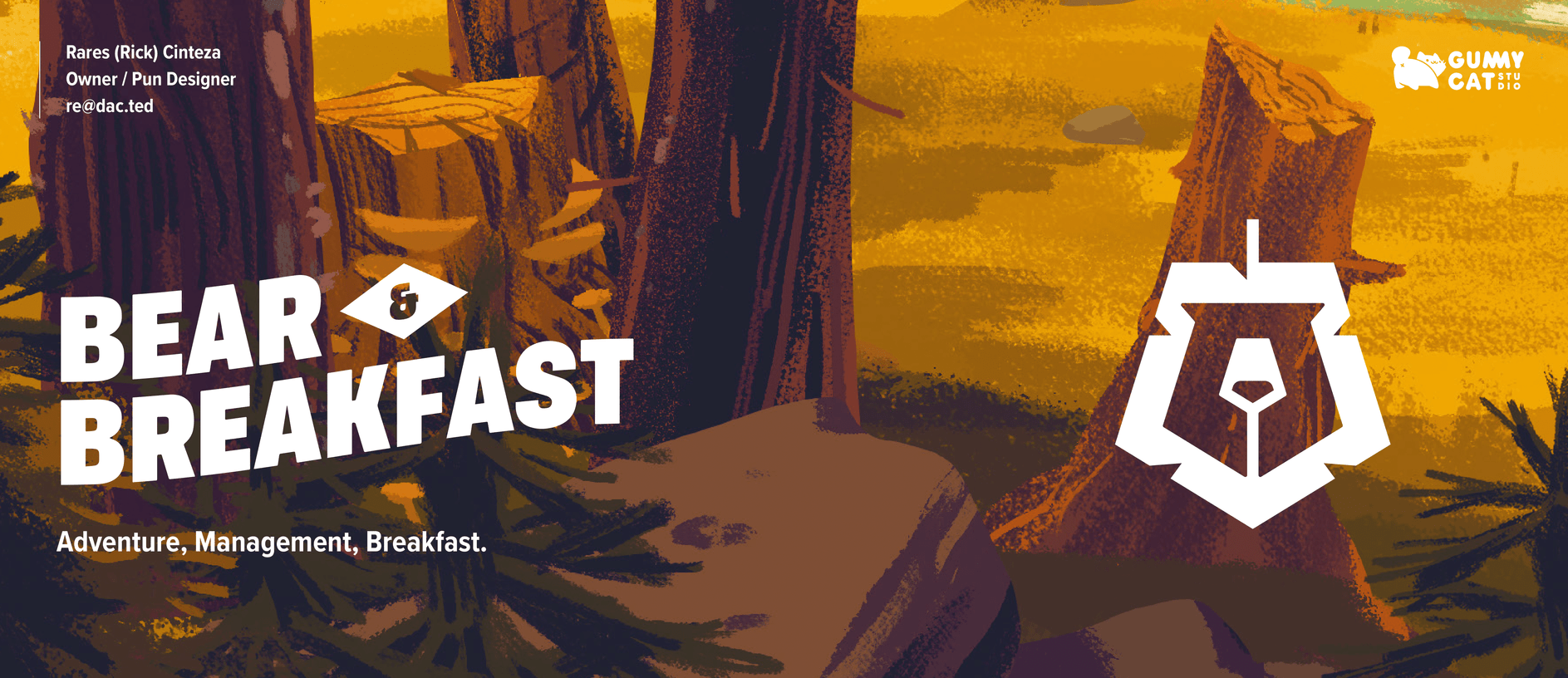
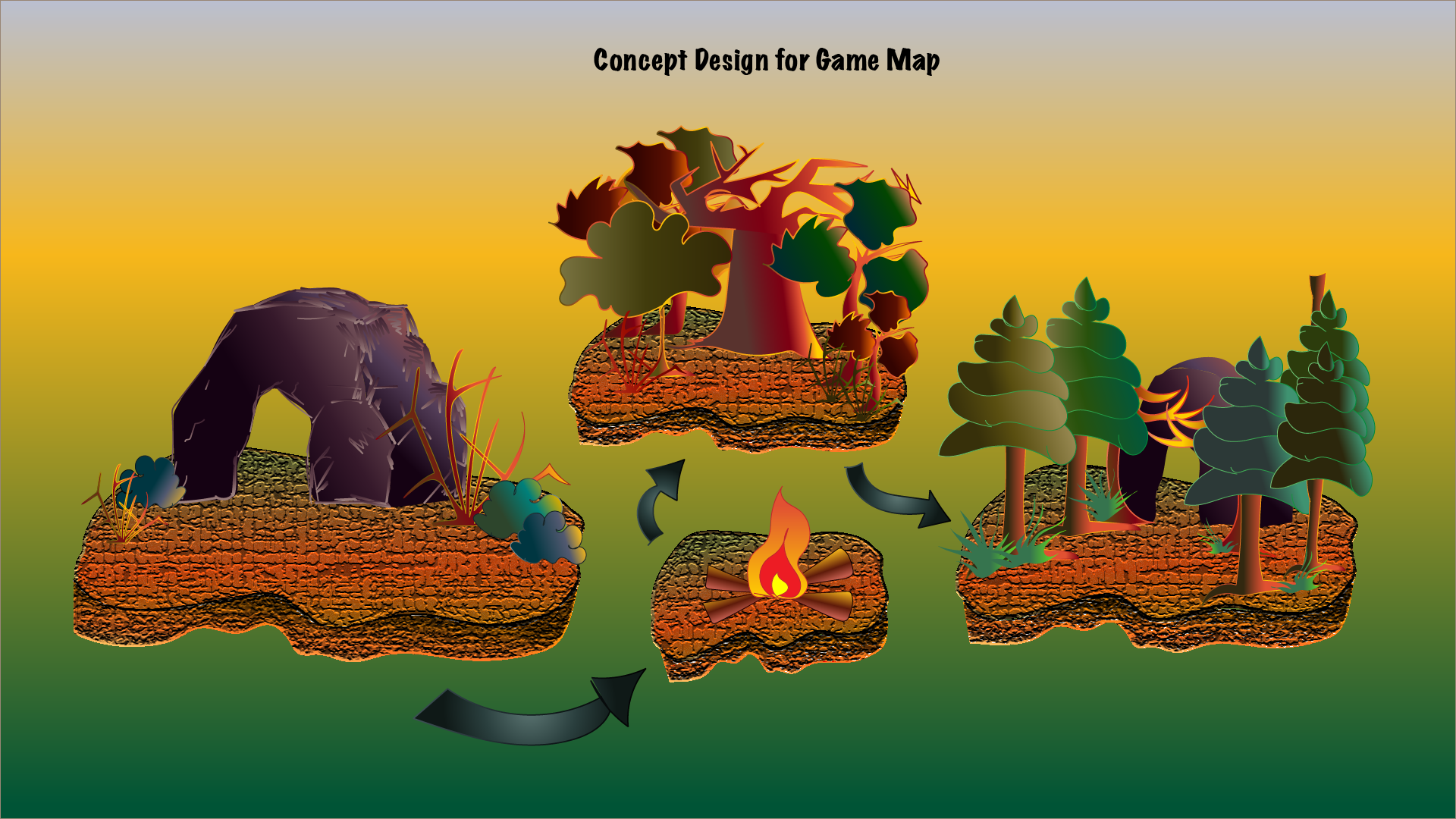


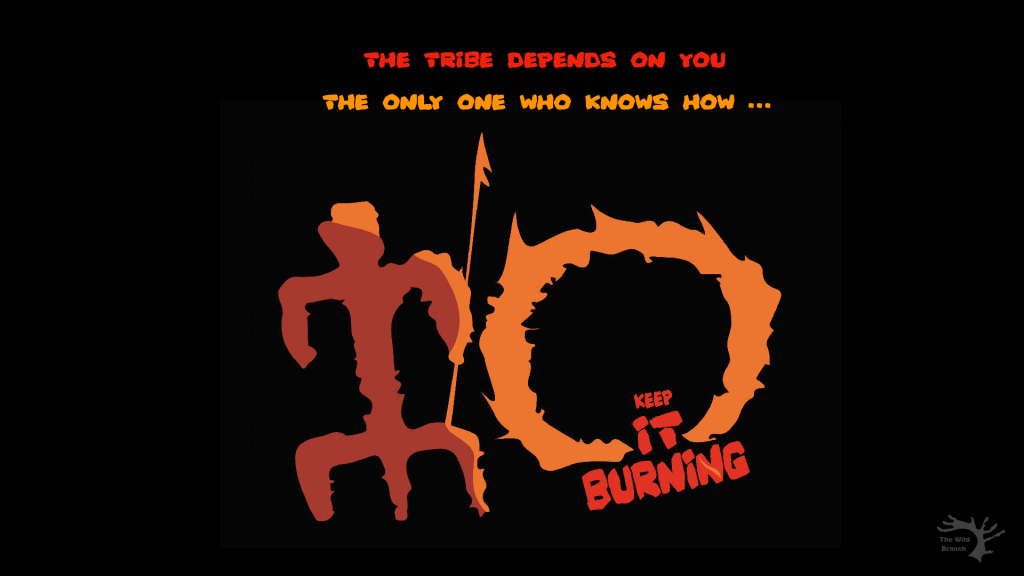
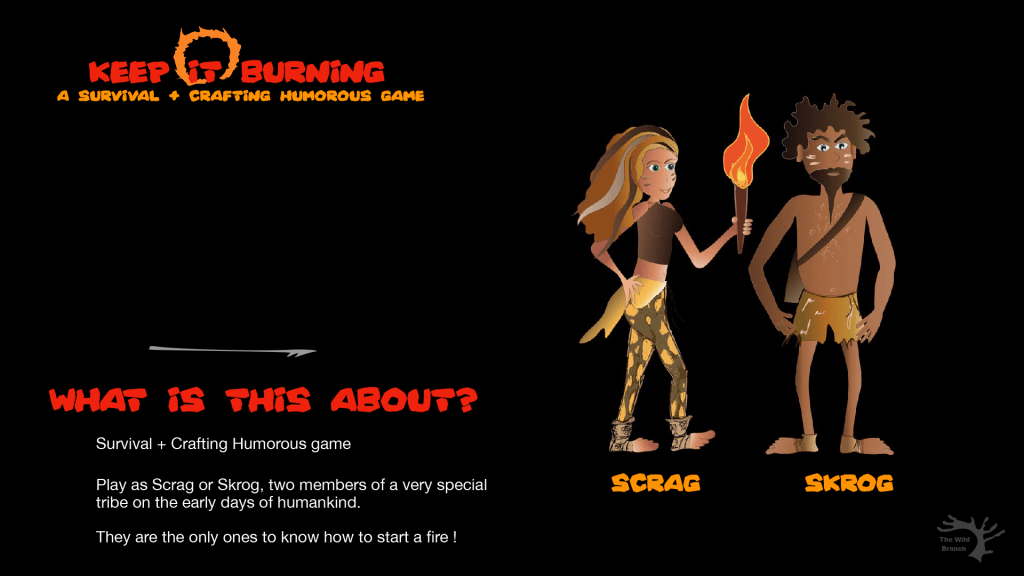




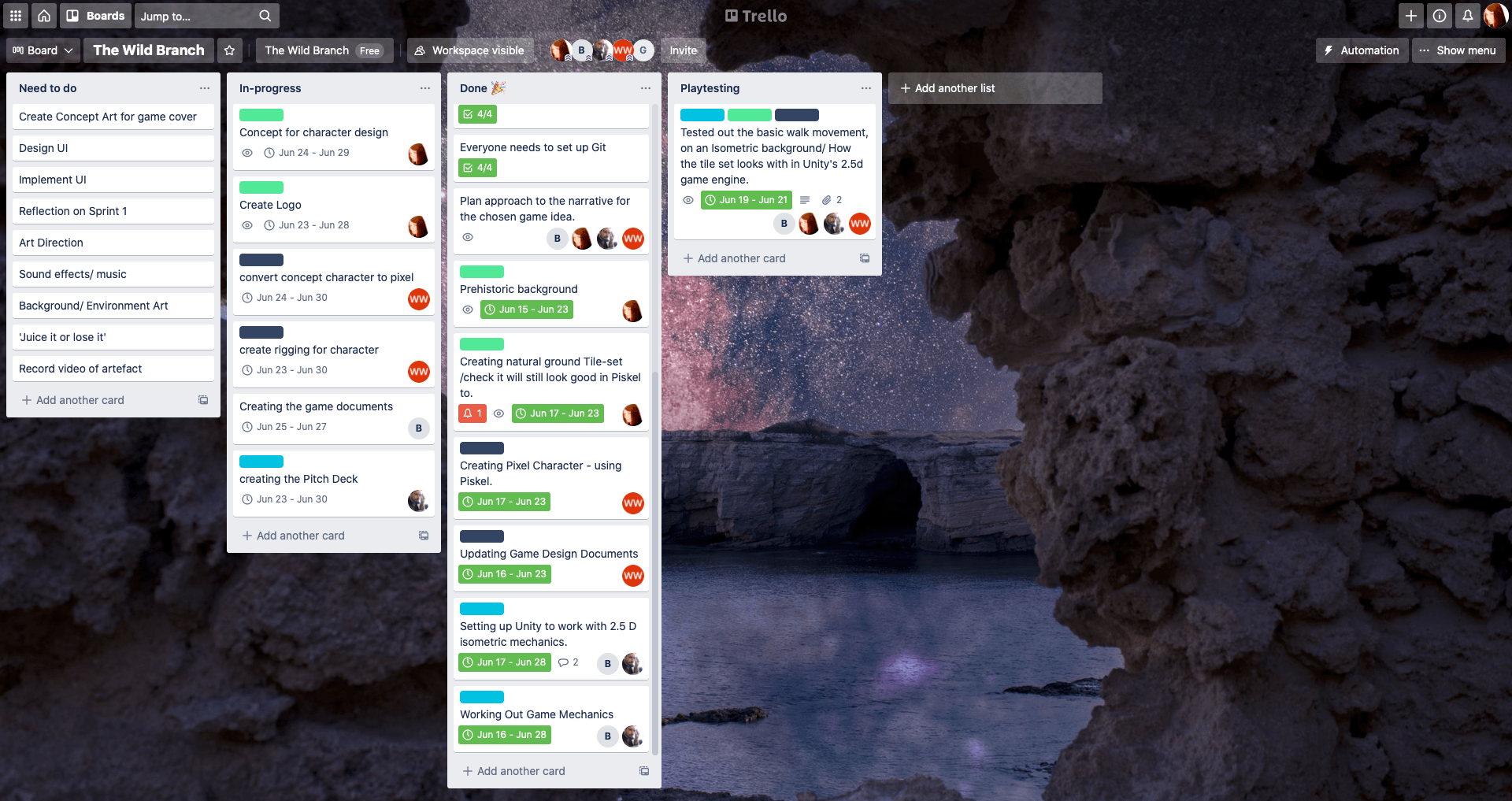

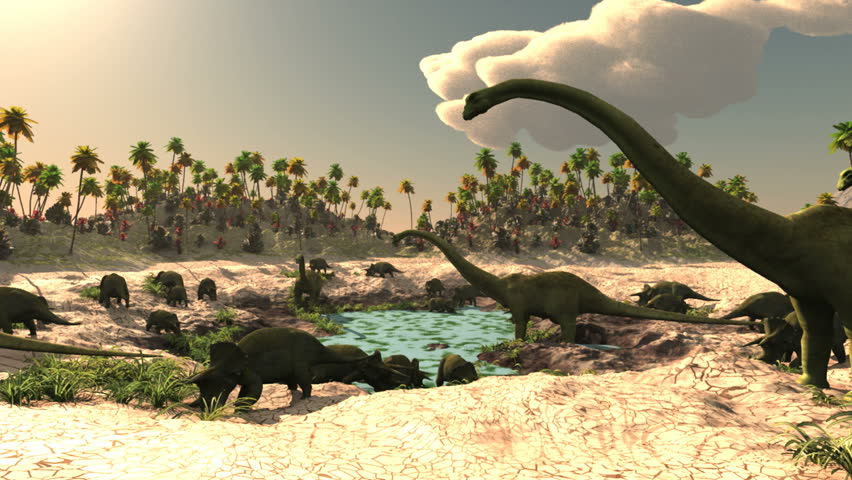

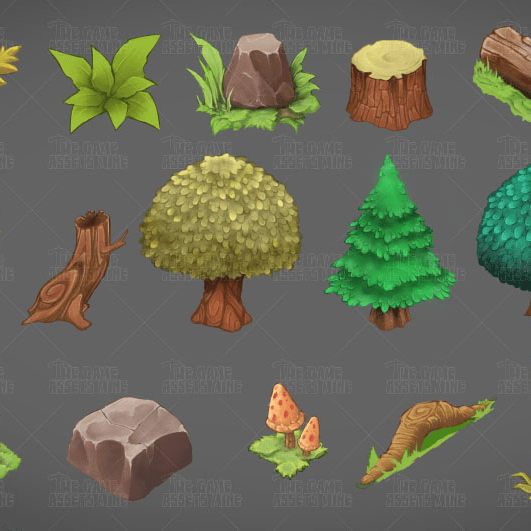
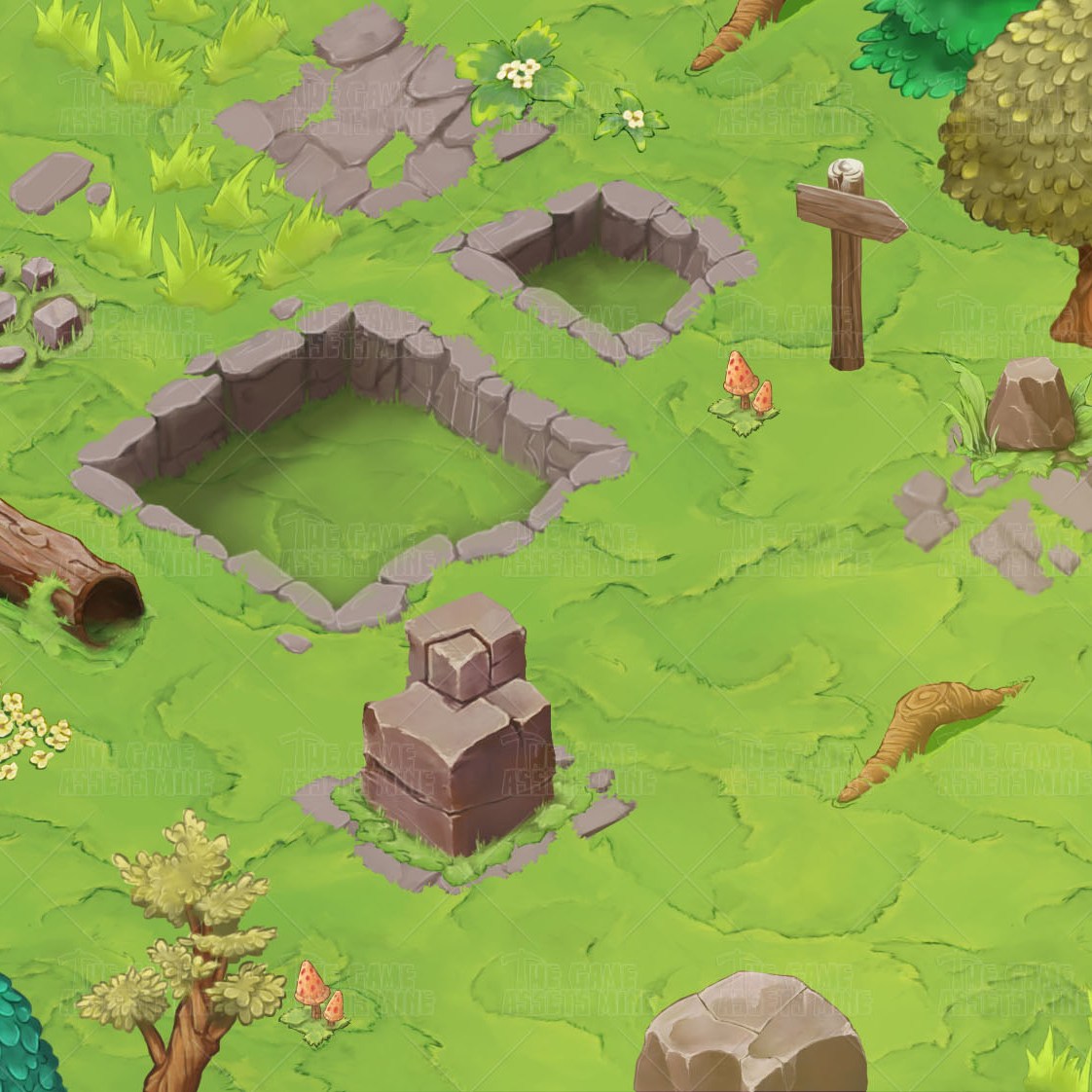


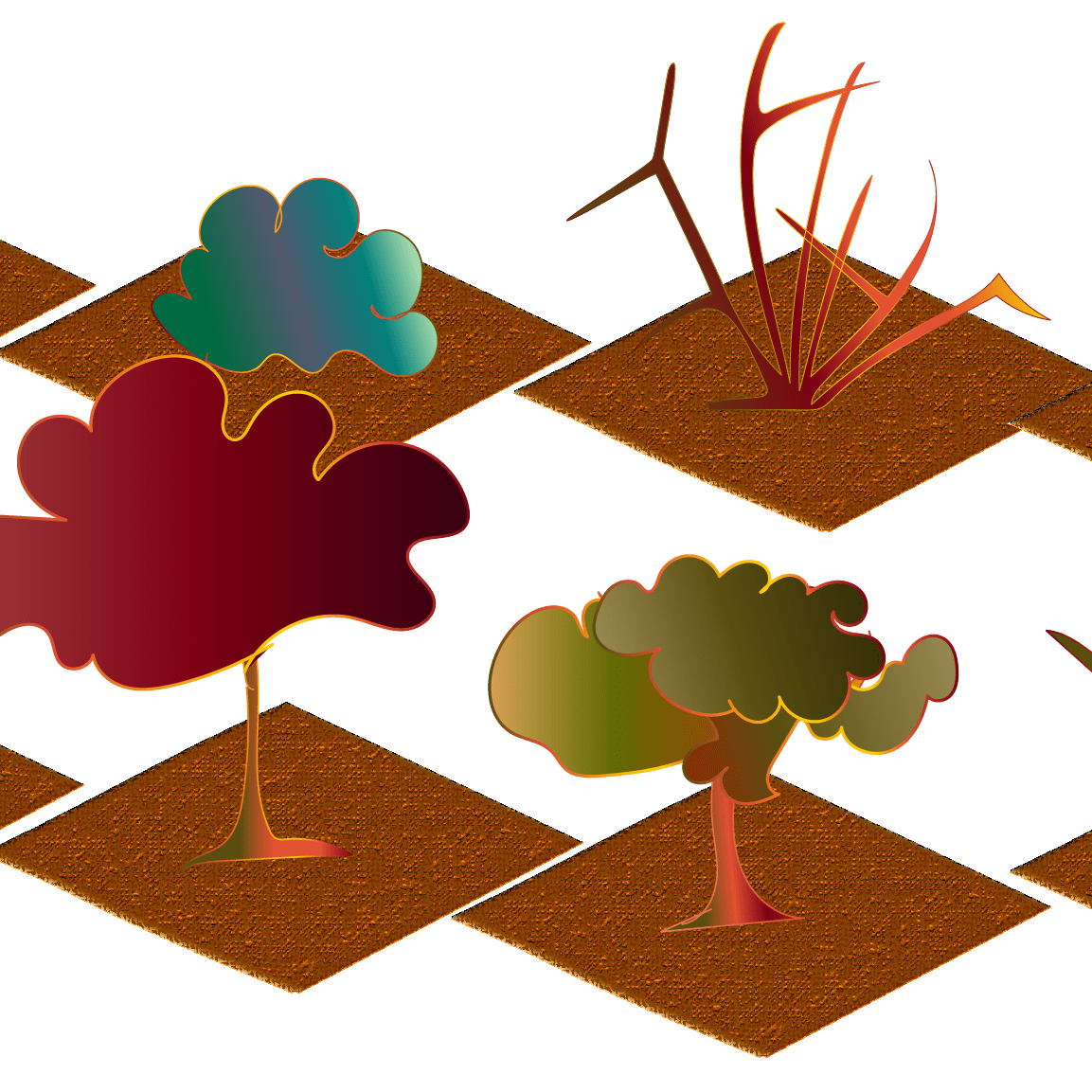
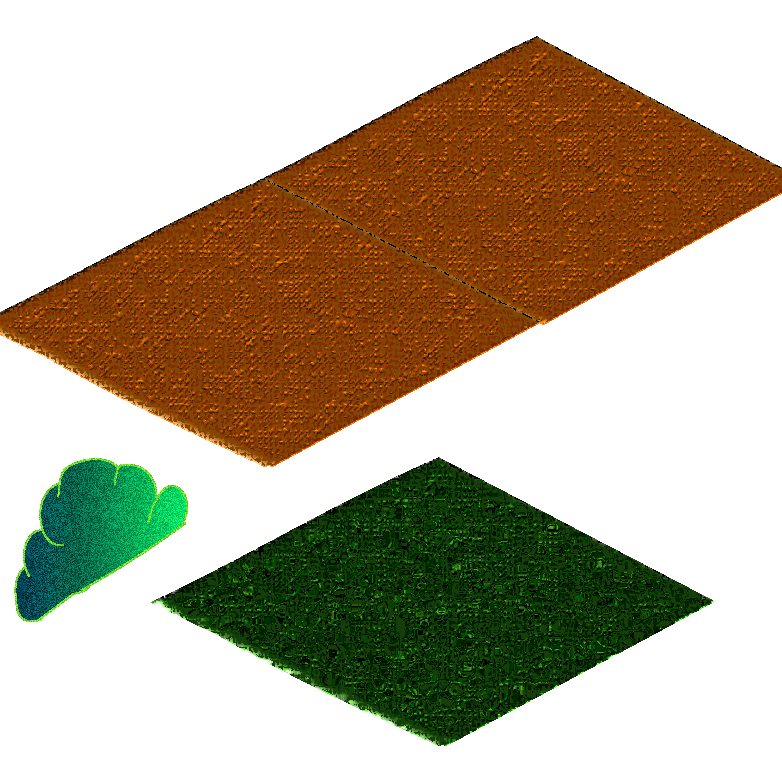


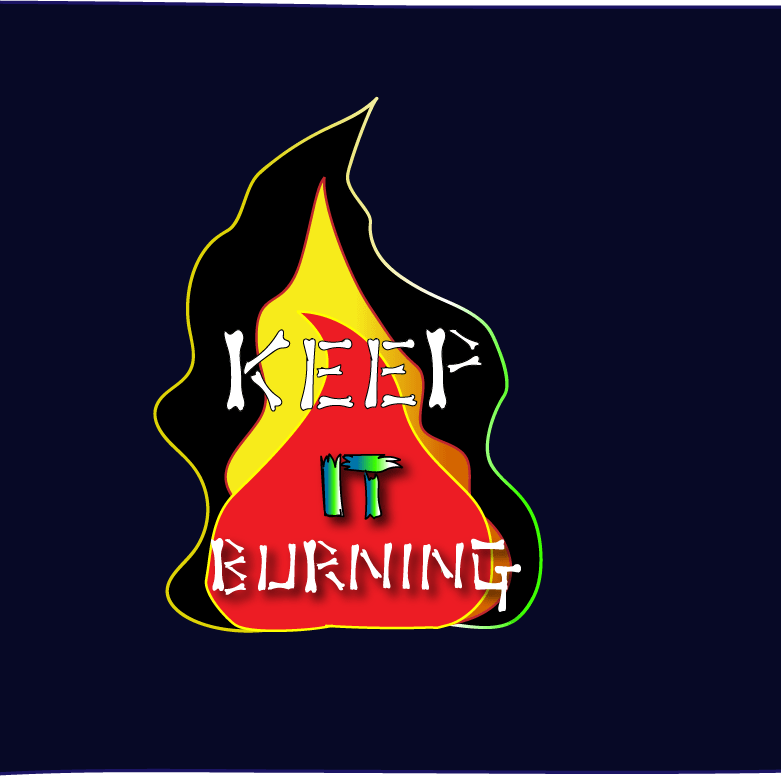


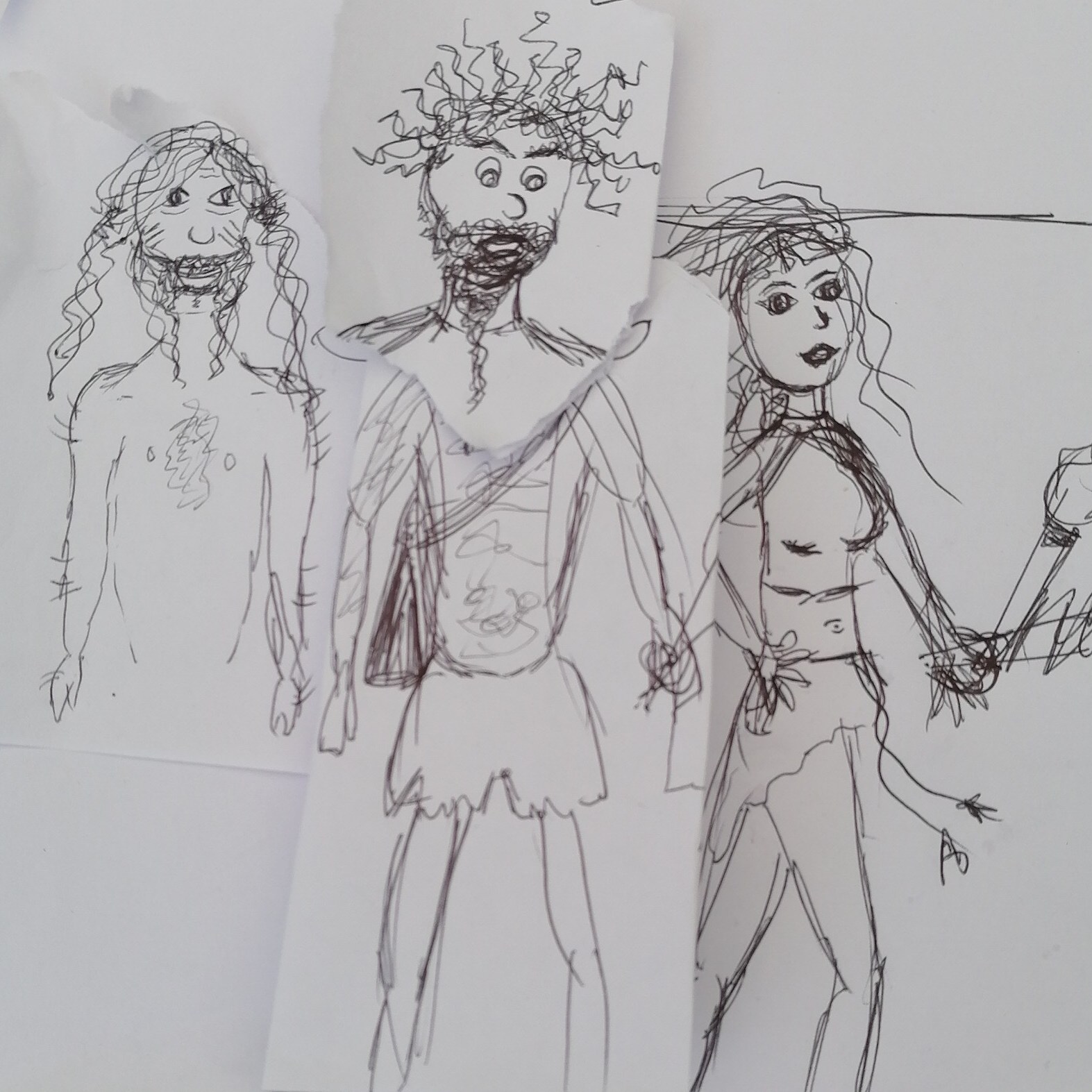
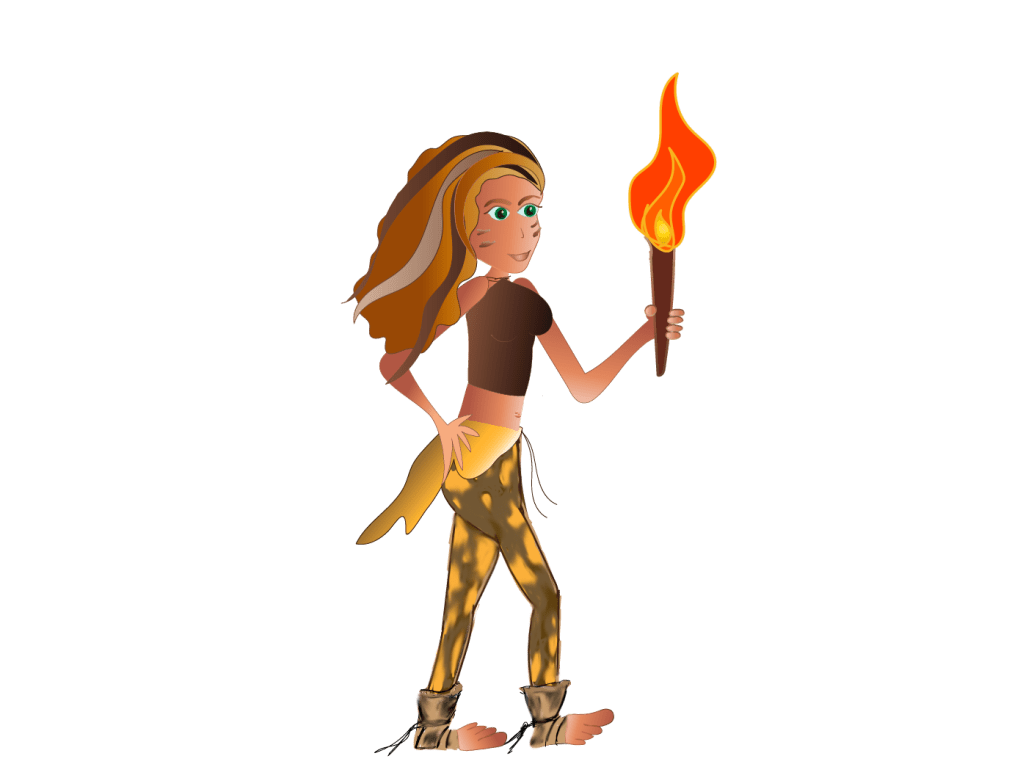


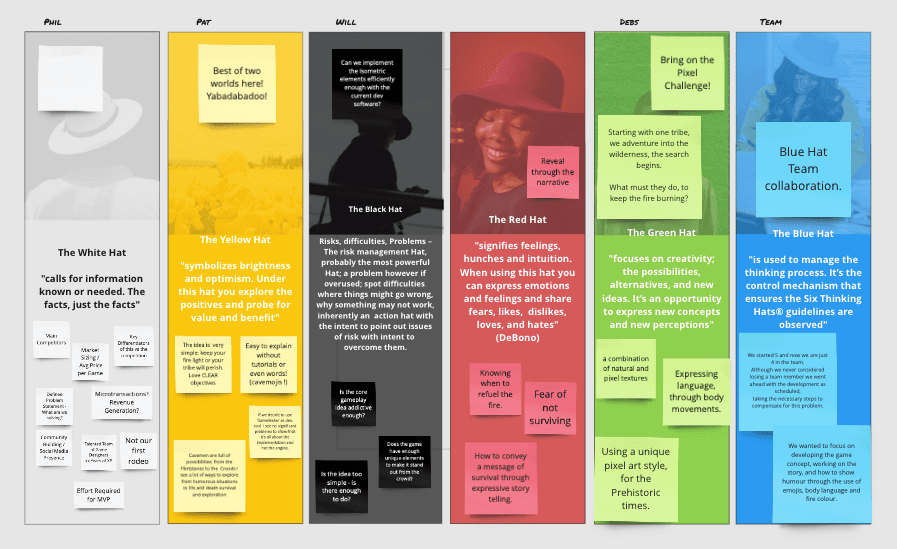


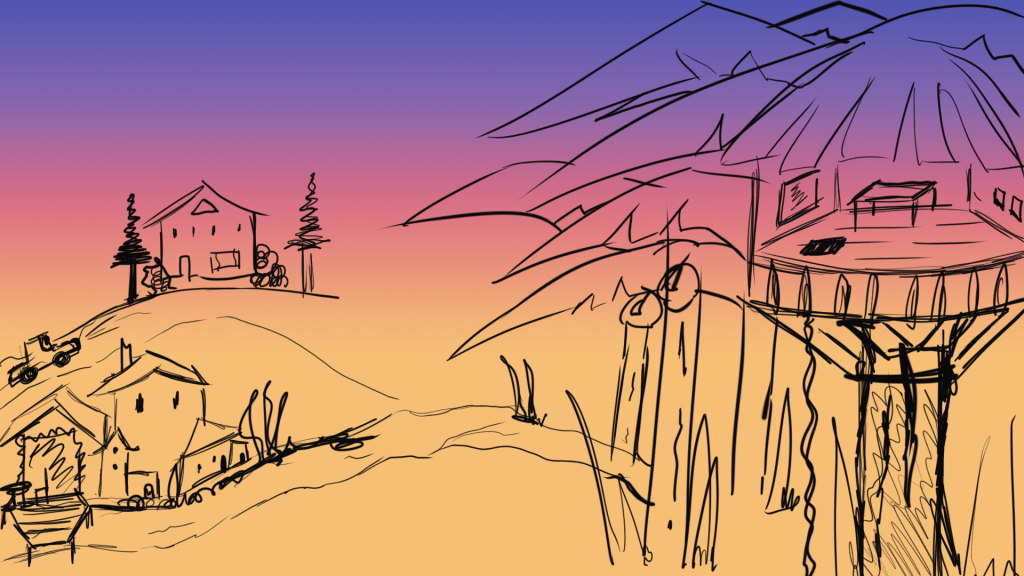


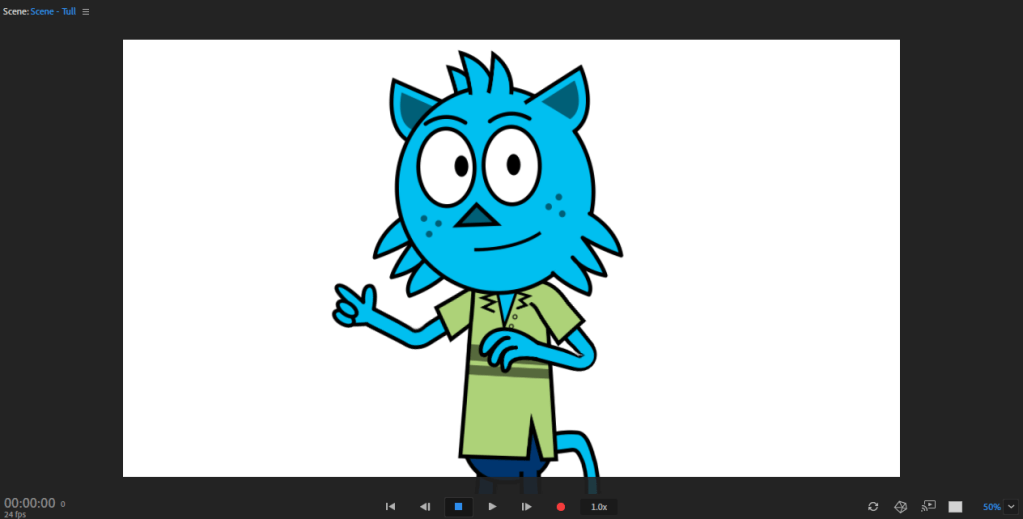
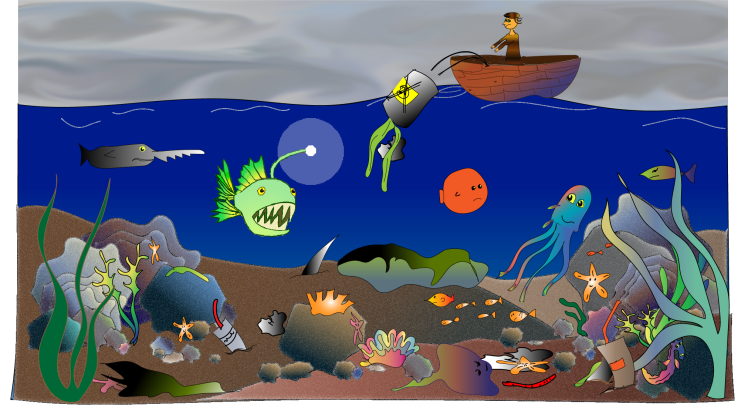



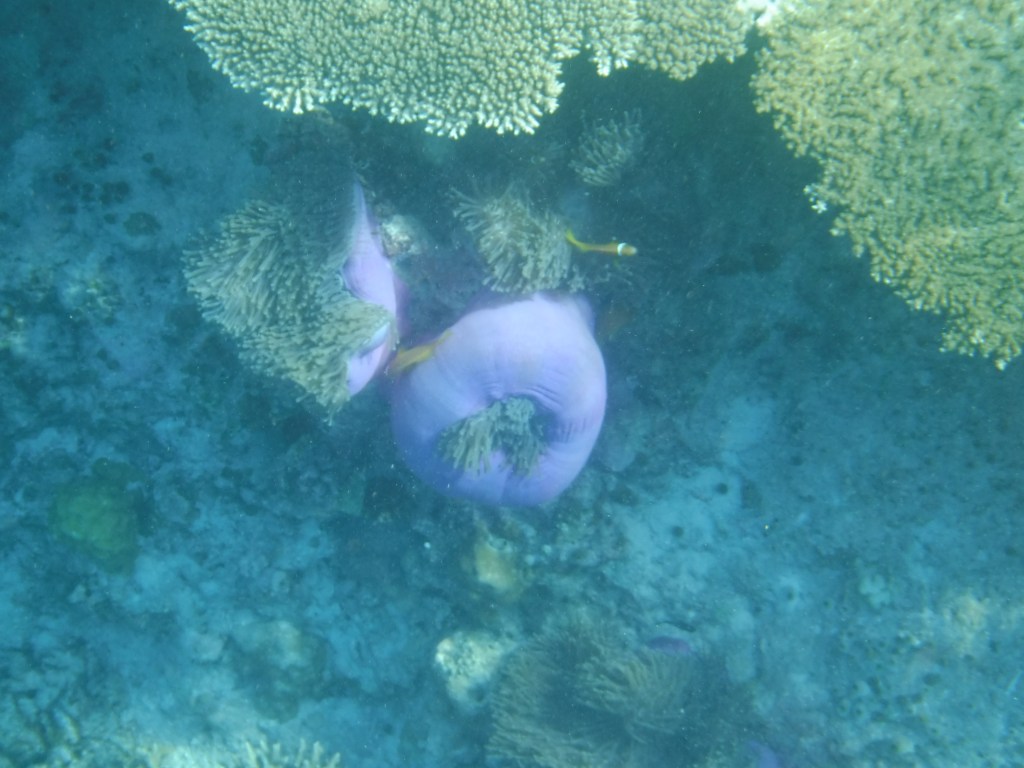
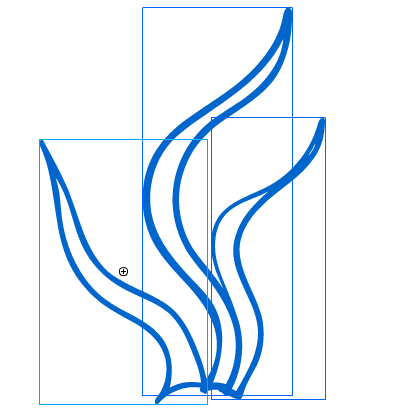
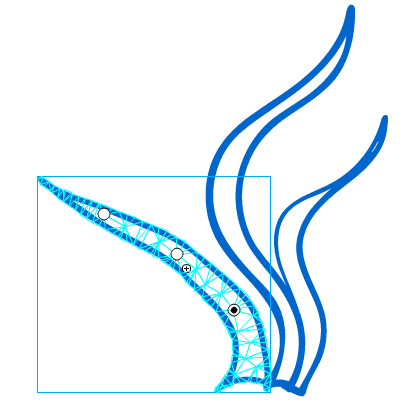


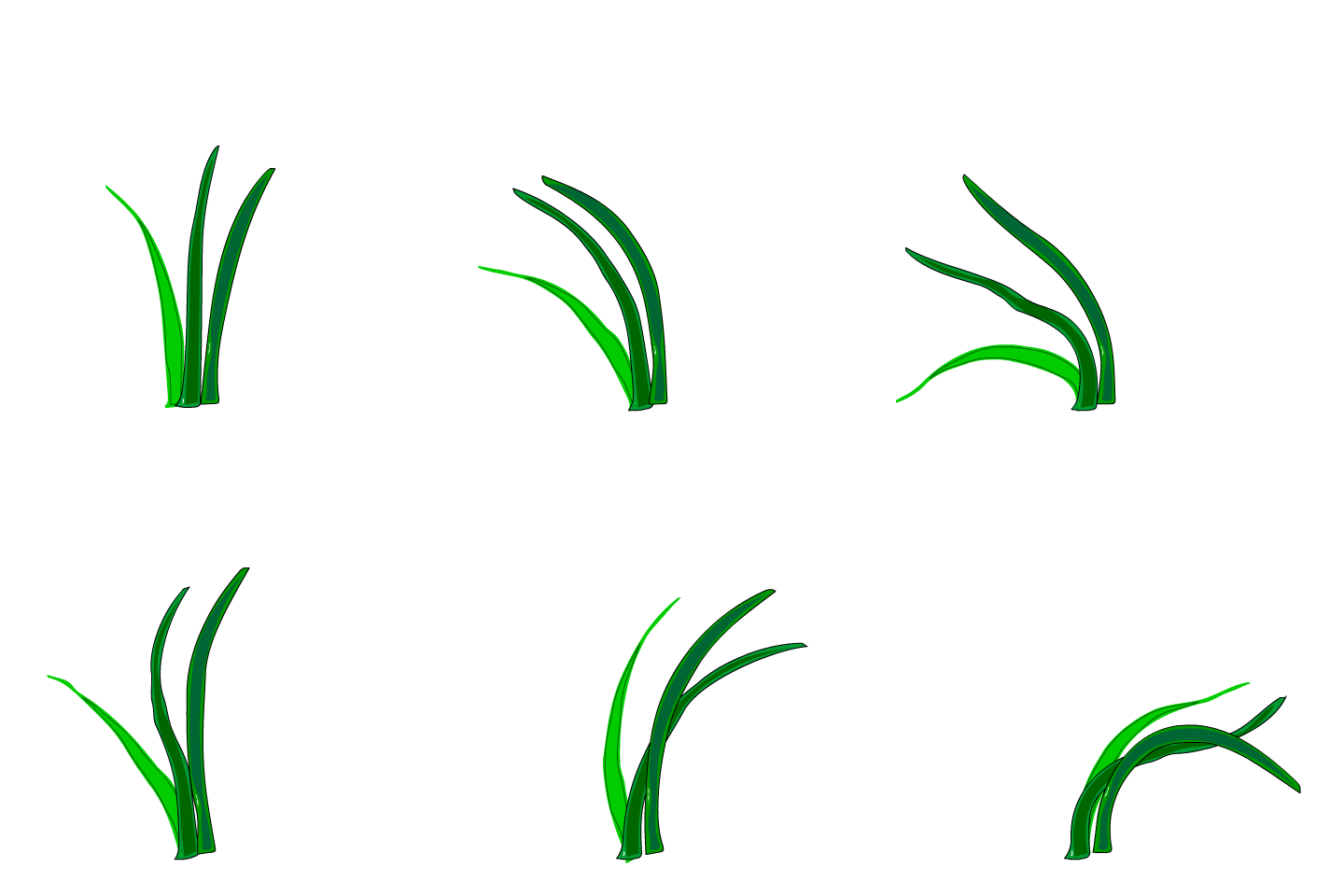

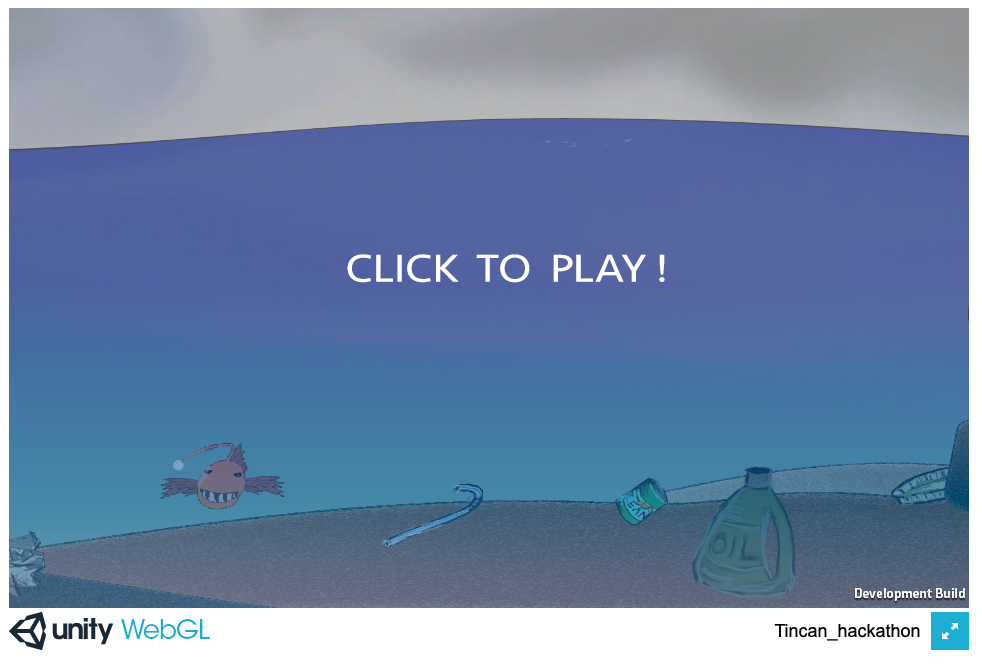
 RALPHY GETS ANIMATED..?